Warm Floors, Cool Style: The Best Flooring for Heated Floor Systems
Heated floors have become a practical comfort in Canada, not just a luxury. They make long winters more bearable while adding modern style to any space. Whether you’re finishing a basement or upgrading your entire home, choosing the right flooring to pair with a radiant system ensures consistent warmth, lasting efficiency, and visual appeal.
This guide breaks down how heated floor systems work, which flooring types perform best, and how to create a balance of comfort and design that suits every Canadian home.
Understanding Heated Floor Systems
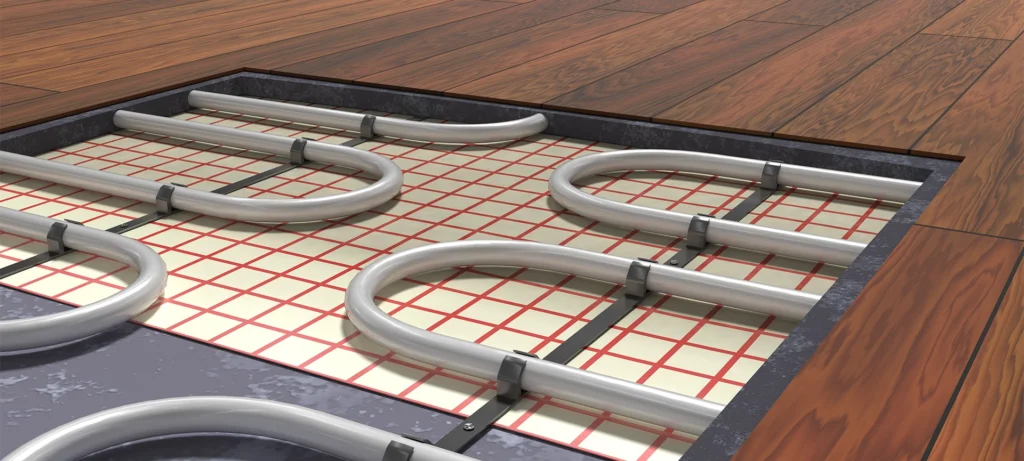
Heated floors distribute warmth evenly from the ground up, eliminating cold spots and boosting energy efficiency. In Canada, homeowners generally encounter three types of systems:
Electric Radiant Heating
The most popular for homes across Ontario and other provinces, this system uses cables or mats installed beneath the floor surface. It’s ideal for retrofits or single-room applications such as bathrooms and kitchens.
Hydronic (Water-Based) Heating
This system circulates warm water through pipes embedded in the subfloor. It’s efficient for large spaces or new builds, though installation is more complex and costly than electric options.
Air-Heated Systems
Less common in residential properties, air-heated floors use warm air channels beneath the floor surface. Because air holds less heat than water, these systems are rarely used in modern Canadian homes.
Electric radiant systems remain the go-to solution in Ontario for their simplicity, cost-effectiveness, and compatibility with many flooring materials.
Related Article: The Benefits of Installing Heated Floors This Winter
Key Factors When Choosing Flooring for Heated Systems
Selecting the right material goes beyond looks. Each flooring type responds differently to heat, and some require careful installation.
Thermal Conductivity
Materials that conduct heat efficiently, such as tile or stone, allow faster and more even warmth. Thicker or less conductive floors, like carpet or solid wood, slow heat transfer.
Dimensional Stability
Temperature changes cause materials to expand and contract. Engineered hardwood and vinyl flooring handle this better than solid wood, reducing the risk of warping.
Temperature Limits
Manufacturers typically recommend a surface temperature no higher than 27 °C. Exceeding this can damage finishes or adhesives.
Installation Compatibility
Your chosen material must work with the system type and installation method — floating, glued, or nailed. Always confirm compatibility with the flooring and heating manufacturers before installation.
Best Flooring Options for Heated Floors
The right flooring makes all the difference in how efficiently a heated floor system performs. Some materials conduct heat better, while others add insulation and comfort.
Below are the top flooring choices that pair style with dependable performance for radiant heating in Canadian homes.
Tile and Natural Stone
Tile remains the benchmark for radiant heating. It transfers heat quickly and evenly, making it ideal for bathrooms, kitchens, and basements. Stone tiles like marble, slate, or travertine offer long-lasting durability and timeless appeal.
Advantages: Excellent conductivity and moisture resistance.
Considerations: Cold underfoot when heating is off; requires proper subfloor preparation.
Engineered Hardwood
Engineered hardwood offers the warmth of real wood without the expansion issues of solid planks. Its layered construction makes it more dimensionally stable, allowing for reliable use with radiant systems.
Advantages: Natural appearance and strong heat tolerance.
Considerations: Must stay within temperature limits; use compatible adhesives.
Luxury Vinyl Plank (LVP) and Luxury Vinyl Tile (LVT)
Modern vinyl floors are stylish, durable, and radiant-heat compatible. They’re ideal for living rooms and basements where moisture may be a concern.
Advantages: Quick heat response, water resistance, easy upkeep.
Considerations: Avoid cheap vinyl that may release odours or deform under heat.
Related Article: Why Humidity Matters When Installing Luxury Vinyl Flooring
Laminate Flooring
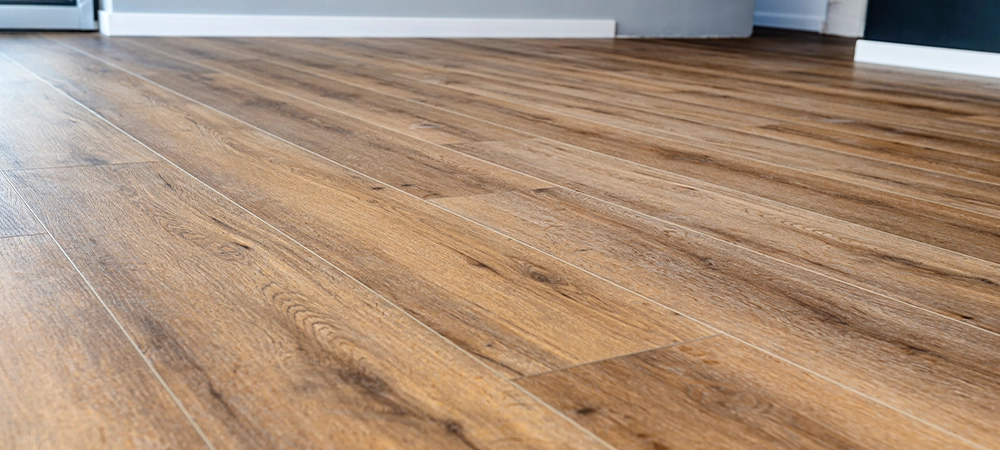
Laminate flooring provides the wood look at a lower cost. Many Canadian brands now offer radiant-heat-approved products.
Advantages: Budget-friendly, easy to install.
Considerations: Choose high-quality laminate rated for floor heating; poor-quality boards may warp or delaminate.
Cork Flooring
A natural insulator that retains heat, cork adds comfort and acoustic softness.
Advantages: Eco-friendly, renewable, pleasant underfoot.
Considerations: Must be sealed properly to prevent moisture damage; some cork finishes restrict use over high heat.
Related Article: The Benefits of Underfloor Heating: How to Integrate It With Your Flooring
Flooring to Avoid
Not all materials handle radiant heating well. Choosing the wrong type can affect comfort, performance, or even cause long-term damage.
Solid Hardwood
While beautiful and durable, solid hardwood tends to expand and contract with heat and humidity changes. These movements can lead to gaps, warping, or cupping over time.
If you prefer a wood look, engineered hardwood is a safer and more stable choice for radiant systems.
Thick Carpet
Carpet and thick underpads act as insulation, trapping heat beneath the surface. This reduces system efficiency and delays warm-up time.
If you want a soft finish, choose a low-pile carpet with a radiant-heat-approved underlay for better heat transfer.
Rubber Flooring
Rubber can degrade or emit odours when exposed to prolonged heat, depending on the composition. Some gym or industrial-grade rubber tiles aren’t designed for elevated surface temperatures. Always verify that the product is rated for radiant heat before installation.
When planning your heated flooring, it’s best to consult professionals who understand both material performance and heating requirements. Proper product selection ensures comfort and protects your investment for years.
Practical Tips for Heated Floor Installations
The performance of a radiant heating system depends as much on preparation and installation as on the flooring itself. Here’s how to get the most from your setup:
- Insulate Below
A quality insulation layer beneath the heating system prevents heat loss into the subfloor and directs warmth upward where it’s needed. This improves efficiency and reduces operating costs, especially in basements or concrete slabs common in Canadian homes.
- Check Moisture Levels
Moisture in the subfloor can cause adhesive failure or promote mould growth. Before installation, ensure the surface is completely dry and within the moisture limits specified by both flooring and heating system manufacturers.
- Use a Thermostat with Floor Sensor
A smart thermostat with a floor sensor keeps surface temperature consistent and prevents overheating. It also helps regulate energy consumption, maintaining comfort without wasting electricity.
- Acclimate Materials
Flooring materials should adjust to the room’s temperature and humidity before installation. This process, usually 48 to 72 hours, minimizes the risk of expansion or contraction once the system is turned on.
- Hire Certified Installers
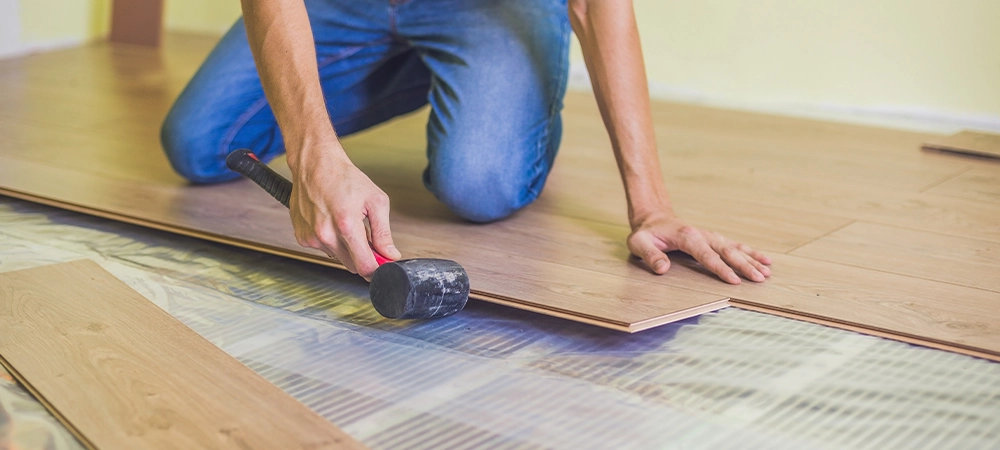
Radiant floor heating requires precise planning. Professional installers know how to integrate heating elements, insulation, and flooring safely. Improper installation can lead to uneven heating, system failure, or voided warranties. LV Flooring’s team ensures each project meets both performance and safety standards.
Related Article: The Importance of Hiring a Professional Floor Installer for Your Hardwood Flooring
Design and Style Considerations
Heated floors let homeowners combine comfort with creative design. Beyond function, they can enhance a home’s visual flow and atmosphere.
Open Layouts
Consistent flooring across large spaces creates a unified look and helps distribute warmth evenly. Using materials like engineered hardwood or luxury vinyl plank in open-concept designs keeps transitions seamless between heated and non-heated zones.
Mix and Match Zones
Combining materials can elevate both practicality and style. For example, use tile in bathrooms or entryways where moisture is common, and pair it with engineered hardwood or vinyl in living areas. This approach maintains warmth while giving each space its own character.
Light and Neutral Tones
Lighter shades of wood or stone reflect natural light and make rooms feel more open. They also complement the gentle, even heat of radiant systems. For contemporary interiors, matte finishes and wide planks add a clean, spacious aesthetic.
Smart Controls and Technology
Integrating your heated floors with smart thermostats or home automation adds both comfort and control. You can set zones for different rooms, schedule warm-up times, or adjust temperatures remotely. These systems also improve energy efficiency, especially in large or multi-level homes.
When properly planned, a heated floor system does more than add warmth; it enhances the entire design of your home, blending functionality, comfort, and timeless style.
Long-Term Value and Comfort
Radiant heating paired with quality flooring enhances comfort and can reduce long-term energy use. By maintaining consistent warmth at lower air temperatures, you can save on utility bills without sacrificing comfort.
Engineered hardwood, vinyl, and tile all deliver durability, visual appeal, and compatibility with Canadian winters.
Experience Warmth That Lasts
Upgrade your home with flooring designed for radiant systems. Visit LV Flooring’s showroom or speak with our specialists to explore options that bring lasting warmth and modern style to your space. Reach out to us today.
Frequently Asked Questions
Can radiant floor heating be installed in existing homes, or is it only for new builds?
Yes, electric radiant systems can be retrofitted in existing homes with minimal disruption. They’re thin enough to install under tile, vinyl, or engineered wood during a remodel.
How long does it take to install a heated floor system?
Installation time varies by room size and flooring type. A small bathroom may take one to two days, while a full-floor project could take several days to complete, including wiring and insulation.
Does radiant floor heating work with all subfloors?
Most systems can be installed over concrete or wood subfloors, provided they’re level, dry, and structurally sound. Some installations may need an insulation board to reduce heat loss.
Can radiant floor heating replace traditional heating systems in Canada’s cold climate?
It can be used in smaller, well-insulated homes, but many homeowners use it as a supplement to forced-air or baseboard systems for added comfort and efficiency.
Are heated floors safe for pets?
Yes. Radiant heat provides even warmth that pets love. Just keep thermostat settings within safe limits to prevent overheated surfaces.
How do radiant floors affect indoor air quality?
Since there’s no forced air movement, radiant heating reduces dust circulation and allergens, which is ideal for families with asthma or allergies.
What maintenance do heated floors require?
Radiant systems are nearly maintenance-free once installed. It’s still important to check thermostats periodically and follow the flooring manufacturer’s care instructions to protect warranties.