When Is the Best Time of Year to Install New Flooring in Canada?
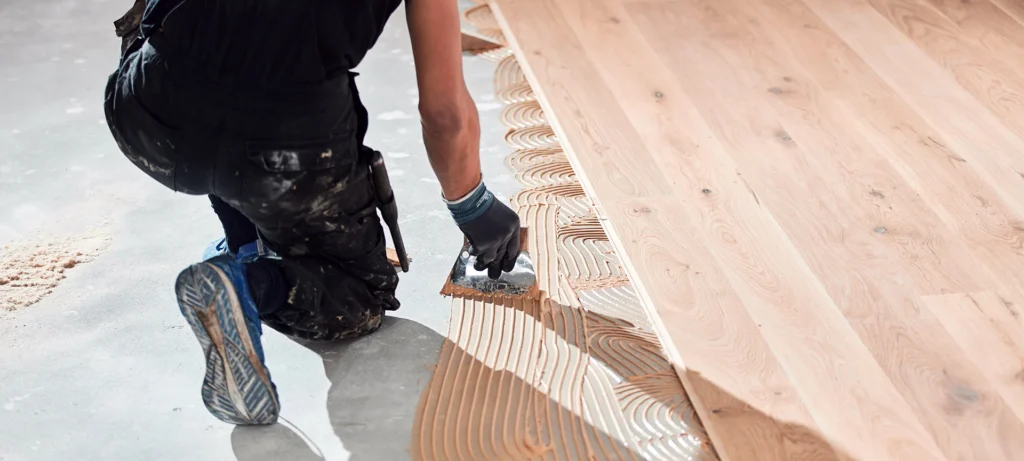
Installing new flooring is more than a design decision but a matter of timing and climate control. In Canada, where seasonal swings in temperature and humidity are dramatic, choosing the right time of year can make or break the success of your installation. Too much moisture causes boards to swell, while dry indoor air can lead to cracks and gaps.
Understanding how each season affects different flooring materials like hardwood, engineered wood, vinyl, and laminate helps you plan your project for long-term stability and beauty.
With the right timing and expert guidance from LV Flooring, you can ensure your floors look flawless and last for decades.
Related Article: Planning a Renovation? Here’s the Ideal Time to Install New Floors
Spring: A Popular Choice for Balance and Comfort
Spring is one of the best times for installing new flooring because it offers moderate temperatures and manageable humidity levels. The climate is neither too dry nor too damp, allowing hardwood, laminate, and vinyl planks to acclimate properly before installation.
Why Spring Works
- Stable humidity: Flooring materials need time to adjust to the moisture in the air. Spring’s balanced conditions minimize warping or swelling.
- Open ventilation: Mild weather allows windows to stay open, improving air circulation and helping adhesives cure faster.
- Flexible scheduling: Many homeowners start renovations before the summer rush, making it easier to secure professional installers on your preferred dates.
Best Projects for Spring
Hardwood and engineered hardwood flooring perform well during spring installations, as they can properly expand and settle without moisture issues.
Summer: Great for Vinyl and Laminate Installations
Summer brings warm weather and lower indoor humidity levels, especially in air-conditioned homes. These conditions are ideal for flooring types less sensitive to temperature fluctuations, such as vinyl or laminate.
What to Watch Out For
- Heat expansion: High temperatures can cause certain materials, especially solid hardwood, to expand, leading to potential gaps or buckling once temperatures cool.
- Faster adhesive drying: While this speeds up some installations, it can also cause adhesives to cure unevenly if the process is rushed.
- Busy season: Summer is the peak period for home renovations. Booking in advance ensures LV Flooring can schedule your installation at a convenient time.
Pro Tip
If installing hardwood in summer, make sure your home’s air conditioning maintains stable indoor humidity levels between 35% and 55%.
Fall: The Ideal Window for Hardwood Installation
Fall offers the most consistent indoor climate for hardwood installation. Temperatures are moderate, and humidity naturally aligns with the range wood needs to acclimate. For many installers, it’s the “sweet spot” of the year.
Why Fall Stands Out
- Stable humidity and temperature: Less fluctuation means wood stays dimensionally stable.
- Comfortable work conditions: Not too hot or cold for installers, which supports precision work.
- Pre-holiday timing: Many homeowners want their homes refreshed before winter gatherings.
Perfect for
- Solid hardwood flooring
- Engineered wood flooring
- Maple hardwood flooring, which is sensitive to moisture variation
LV Flooring often recommends autumn for projects requiring fine finishing or custom staining, as the conditions allow the wood to dry evenly and show its natural beauty.
Related Article: Engineered Vs. Solid Wide Plank Hardwood Flooring: Key Differences
Winter: Manageable with Preparation
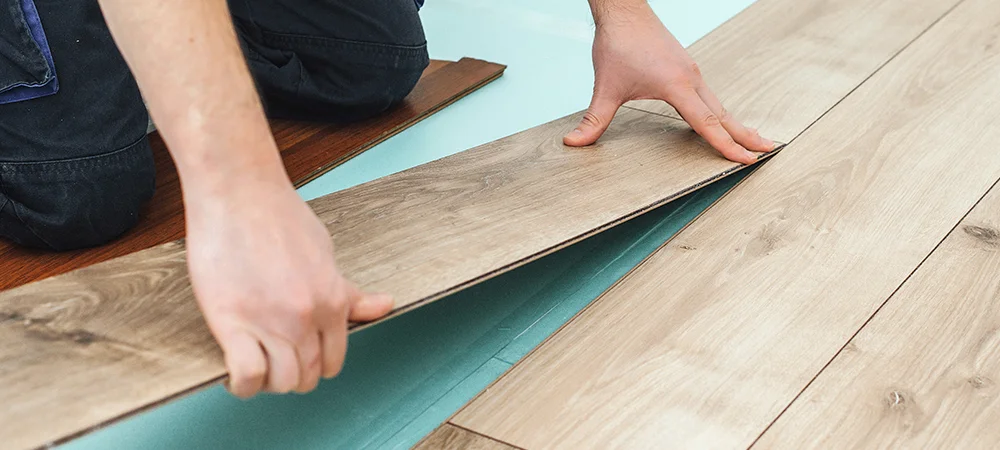
Canadian winters are cold and dry, but with proper preparation, flooring installation is still possible. Modern heating systems and humidity controls allow professional installers to maintain ideal indoor conditions year-round.
How to Prepare for a Winter Installation
- Control humidity: Use a humidifier to keep levels around 40–50%.
- Condition materials indoors: Let flooring planks acclimate inside for several days before installation.
- Check subfloor temperature: Heated or well-insulated subfloors prevent cracking or adhesive failure.
Flooring Types That Work Well in Winter
- Vinyl and laminate: These materials are less affected by temperature swings.
- Engineered hardwood: More stable than solid hardwood, ideal for winter installations.
While winter projects require more climate control, LV Flooring’s professional installers are equipped to manage the conditions effectively.
Related Article: Why Humidity Matters When Installing Luxury Vinyl Flooring
Humidity and Temperature: The Real Deciders
More than the calendar, humidity and temperature ultimately determine when your flooring should go in. Wood naturally expands and contracts with moisture changes, so stable indoor conditions are essential.
| Flooring Type | Ideal Humidity Range | Best Season |
| Solid Hardwood | 35%–55% | Fall / Spring |
| Engineered Wood | 30%–60% | Fall / Winter |
| Laminate | 35%–65% | Summer / Fall |
| Vinyl | 40%–60% | Any Season |
LV Flooring’s team measures and monitors these factors before every project to ensure a precise and stable installation.
The Importance of Acclimation Before Installation
No matter the season, proper acclimation is key to preventing post-installation problems. Flooring planks should adjust to the home’s environment for at least 48 to 72 hours before installation.
LV Flooring’s Process
- Pre-installation inspection – Technicians assess temperature and moisture levels in the subfloor and room.
- Acclimation period – Materials stay in the installation area to adapt naturally.
- Moisture barrier setup – Especially in basements or humid zones, this protects the flooring from excess moisture.
- Precision fitting – Installers leave proper expansion gaps to allow natural wood movement.
This detailed approach ensures your new floors remain stable, smooth, and beautiful year after year.
Planning Your Project Timeline
Scheduling your flooring installation depends on product lead times, room size, and preparation needs. Here’s a basic timeline guide:
| Project Phase | Timeframe |
| Product selection and order | 1–2 weeks |
| Acclimation period | 2–3 days |
| Installation (average room) | 2–4 days |
| Finishing and cleanup | 1–2 days |
Why Professional Installation Matters
Even with perfect timing, expert workmanship determines how long your flooring lasts. LV Flooring’s professional team brings precision and care to every project, from measuring to final polish.
Benefits of Choosing LV Flooring
- Accurate installation that prevents gapping, cupping, or uneven boards.
- Quality materials sourced from trusted suppliers.
- Comprehensive aftercare guidance for cleaning and maintenance.
- Full warranty coverage on both products and installation.
Their experience across hardwood, engineered, vinyl, laminate, and maple flooring ensures consistent quality regardless of the season.
Enhance Your Home with Perfect Timing
Timing your flooring installation around Canada’s climate is key to long-term durability and comfort. Whether you prefer the warmth of maple, the elegance of solid oak, or the practicality of vinyl, LV Flooring ensures your project is handled with precision and care year-round.
Speak with LV Flooring’s experts today for honest advice on when and how to install your next floor for maximum performance.

Frequently Asked Questions
- Why does humidity matter so much when installing flooring in Canada?
Humidity directly affects how flooring materials expand or contract. When air is too dry, boards can shrink and cause gaps. When it’s too humid, planks can swell and buckle. That’s why LV Flooring checks humidity levels before and during installation to keep your floors perfectly aligned year-round.
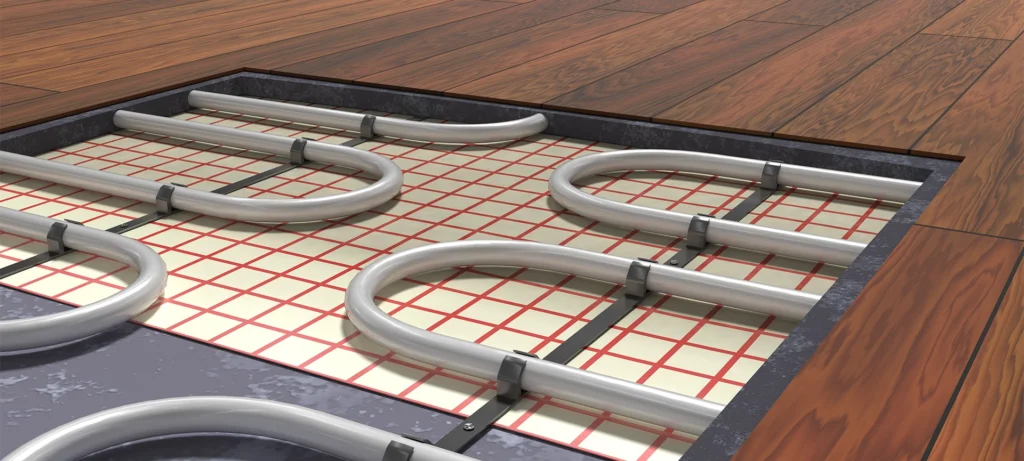
- Can underfloor heating systems be installed with hardwood flooring?
Yes, but not with all types. Engineered hardwood is ideal for homes with underfloor heating because it’s more dimensionally stable than solid hardwood. LV Flooring often recommends this option for comfort and consistent heat distribution.
- How long should I wait before placing furniture after installation?
It depends on the flooring type and adhesive used. For nail-down or click-lock systems, furniture can usually be moved in after 24 hours. For glue-down hardwood or vinyl, it’s best to wait 48 to 72 hours to allow full curing and prevent dents or shifting.
- Can I install new flooring over existing floors?
In some cases, yes. Vinyl or laminate can often be installed over older floors if the subfloor is level and stable. However, hardwood usually requires removal of the existing surface to ensure a secure fit and long lifespan. LV Flooring’s team assesses each project before recommending the best approach.
- Does seasonal timing affect the cost of installation?
Yes, slightly. Prices may rise in peak renovation seasons like summer and early fall due to higher demand. Booking during spring or late winter can sometimes help you secure faster scheduling and better rates.