Is Vinyl Flooring Waterproof?
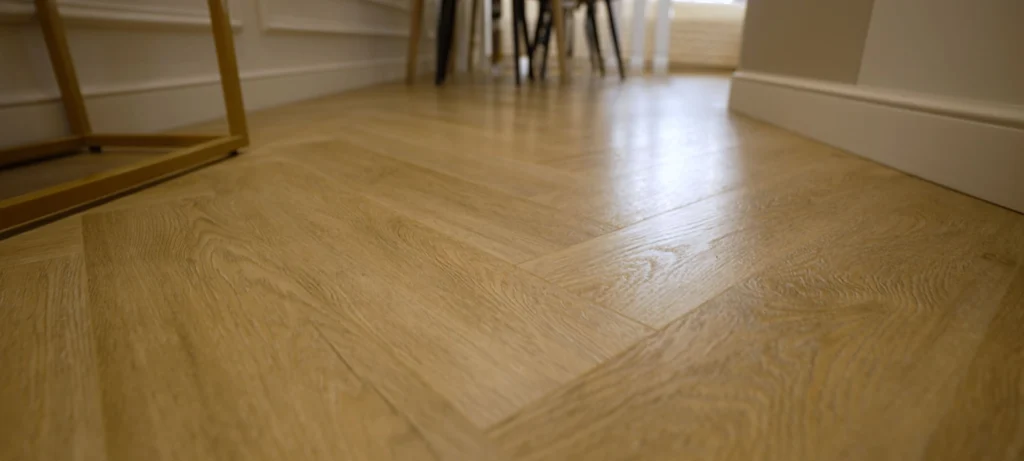
Vinyl flooring has come a long way since the thin rolls seen in mid-century kitchens. Today’s luxury vinyl plank (LVP), sheet vinyl, and stone-plastic composite (SPC) boards promise wood-look beauty with claims of complete water protection.
But is vinyl truly waterproof or just water-resistant? This guide digs into materials, construction, installation, and real-world performance of vinyl flooring to give you a clear answer before you renovate.
What Makes Vinyl Flooring Water-Resistant?
Vinyl’s core ingredient is polyvinyl chloride (PVC). Because PVC is a plastic, it resists moisture by nature. Manufacturers heat and press PVC powder with stabilizers, pigments, and a protective wear layer to create a dense, non-porous surface that liquids can’t penetrate.
This chemistry stops splashes from soaking through the plank itself, which is why vinyl beats wood and laminate in damp spaces.
Waterproof vs Water-Resistant Vinyl: Know the Difference
Marketing can blur the line between “waterproof” and “water-resistant.” Water-resistant floors repel spills long enough for cleanup. Waterproof floors promise zero damage even if water sits for hours.
The plank’s top, core, and lock-and-groove seams must all block moisture to earn the “waterproof” label. If any layer swells under extended exposure, the product is water-resistant, not waterproof.
Related Article: What Type of Vinyl Flooring Should I Use for My Whole House? A Guide to Luxury Vinyl Flooring (LVF)
Types of Vinyl Flooring and Their Moisture Defence
Every style contains PVC, yet construction choices change how well each handles standing water.
- Sheet Vinyl
Continuous rolls leave very few seams, which limits leak paths. Seams must be cold-welded or heat-fused for full protection. A loose-lay sheet is water-resistant; a fully bonded sheet with welded seams is close to waterproof. - Luxury Vinyl Plank (LVP) or Tile (LVT)
Thick planks click together. The core is flexible PVC or wood-plastic composite (WPC). The surface shrugs off spills, but gaps at joints can allow seepage if installation is sloppy. Choose planks with tight locking edges and apply a thin bead of seam sealer near tubs or patio doors. - WPC Waterproof Vinyl
WPC replaces some PVC with wood or limestone dust for a cushioned feel. The core has microscopic air pockets that improve warmth underfoot but can absorb water under extreme flooding. It remains a solid choice for everyday splash zones such as kitchens. - SPC Rigid Core Vinyl
Stone-plastic composite mixes PVC with calcium carbonate, forming a rigid, high-density core that will not swell. Combined with a thick wear layer and strong click edges, SPC earns one of the industry’s highest waterproof ratings. - Loose-Lay Vinyl Plank
Heavy-backed planks rely on weight and friction, not a click system. Water can work under the plank edges if the subfloor isn’t perfectly level. Use this style in low-risk rooms or seal seams carefully.
Related Article: Common Mistakes When Installing Vinyl Plank Flooring

Installation Factors That Influence Water Performance
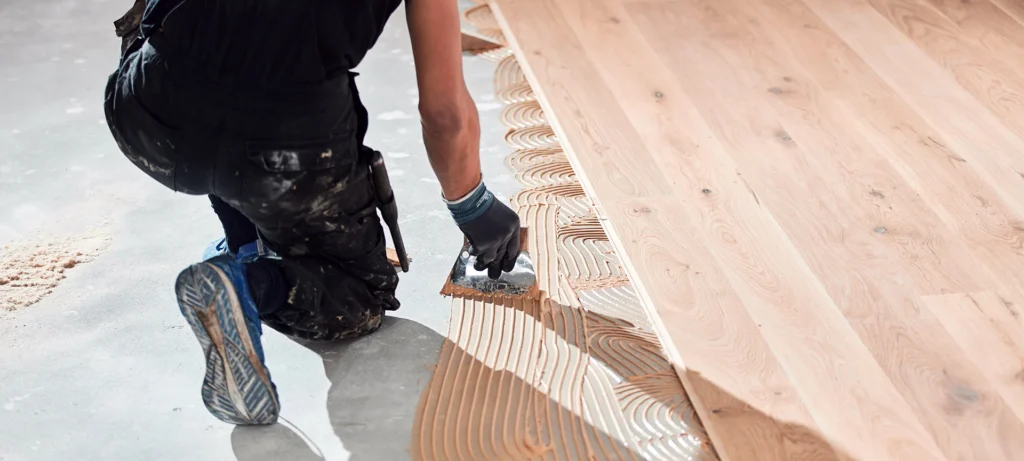
Even the best plank fails without proper prep. Confirm that the subfloor is clean, flat, and dry (below 4-5 % moisture for concrete). Use a moisture barrier under basement installations.
For sheet vinyl, weld seams within 24 hours. For floating planks, stagger joints at least 150 mm and lock them tight with a tapping block. A small expansion gap at the walls prevents buckling but must remain clear — do not fill it with caulk that could trap water.
Everyday Spills to Basement Floods: Real-World Testing
Lab tests drop vinyl samples in water for 24 hours, then measure swelling and delamination. SPC boards typically change thickness by less than 0.05 mm, well below failure limits. WPC can swell by 0.2–0.3 mm, yet often returns to shape once dry. Sheet vinyl passes flood tests if seams stay intact.
Household experience mirrors the lab. Vinyl survives the usual kitchen spill, steam mop, and puppy accident without warping. However, long-term ponding, like an unnoticed fridge lea,k can allow water to creep through joints and underlay.
After severe flooding, planks may lift even if unharmed, requiring removal and subfloor drying before re-laying.
Maintenance Tips to Keep Vinyl Floors Watertight
An ounce of prevention extends your floor’s life:
- Wipe spills quickly. Water will not damage the surface, but it can seep beneath over hours.
- Use doormats. Grit wears down the protective layer, making scratches where water might enter.
- Choose pH-neutral cleaners. Harsh chemicals can cloud the wear layer and weaken click edges.
- Inspect joints twice a year. If a seam lifts, click the plank back or add seam sealer.
- Protect heavy furniture feet with pads to stop point loads from cracking rigid cores.
Related Article: What Are the Benefits of Sealing a Vinyl Floor Before Laying It?
Comparing Vinyl to Other Floors in Wet Areas
Vinyl offers the best blend of easy installation, water defence, and realistic wood visuals without the grout upkeep of tile.
Vinyl’s moisture edge becomes clear when set beside other popular surfaces:
- Solid hardwood: Stains and cups after small spills; warps if water lingers; needs careful sub-floor prep; strong resale; periodic refinishing.
- Laminate: Swells fast; water damage is permanent; moderate prep; moderate resale; tough to repair.
- Ceramic tile: Tiles stay dry, but grout can wick moisture; moderate prep; high resale; grout must be re-sealed.
- Engineered hardwood: More stable than solid wood, yet the core may swell during floods; high prep; high resale; occasional surface sanding.
- Vinyl (SPC): Shrugs off spills; minimal swelling even after standing water; low-to-moderate prep; resale interest rising; simple wipe-clean upkeep.
When Waterproof Matters Most: Ideal Rooms and Projects
Bathrooms, mudrooms, and finished basements see daily wet footsteps. A waterproof vinyl plank lets you step out of the shower or track in snow without worry.
In a condo, vinyl reduces risk to units below, and its acoustic underlay meets most HOA sound rules.
Cottages near lakes also benefit because temperature swings and damp air won’t crack an SPC core.
Cost, Warranty, and Long-Term Value
Waterproof vinyl plank prices in Canada range from $3.50 to $7.00 per square foot, more than entry-level laminate yet less than porcelain tile. SPC boards sit at the upper end of that band.
Warranties often promise lifetime residential coverage against wear and 10–20 years against water damage, provided you follow installation guidelines. Because repair means swapping out a single plank rather than ripping up entire sections, long-term maintenance costs stay low.
Combined with fast DIY installation, vinyl delivers solid value for high-traffic homes.
Related Article: How Do You Make Laminate Flooring Water Resistant? A Comprehensive Guide

Waterproof Confidence
Vinyl flooring is built on a moisture-resistant plastic base, and modern click systems, rigid cores, and welded seams push that defence close to waterproof. No surface is invincible; extended floods can force temporary plank removal, but day-to-day spills, pet mishaps, and steamy bathrooms pose little threat.
Choose an SPC or fully welded sheet for areas where water stands, prep the subfloor well, and seal edges. Do that, and you’ll enjoy wood-look style with peace of mind that your floors can handle the wettest parts of Canadian living.
Vinyl’s rigid PVC core and sealed seams keep water at bay, giving you stress-free style in kitchens, baths, and basements. Ready to see it in your space? Inquire about an in-home measurement and quote today, and walk on worry-proof floors sooner.