Floating vs. Glue-Down Installation: Pros, Cons, and Where Each Belongs
Hardwood flooring brings warmth, elegance, and durability to any space, but the installation method plays a huge role in how it performs over time. Two of the most common approaches are floating installation and glue-down installation. Each method has its own strengths, drawbacks, and best-use cases.
Understanding the differences will help you choose the right fit for your home or business.
What Is Floating Installation?
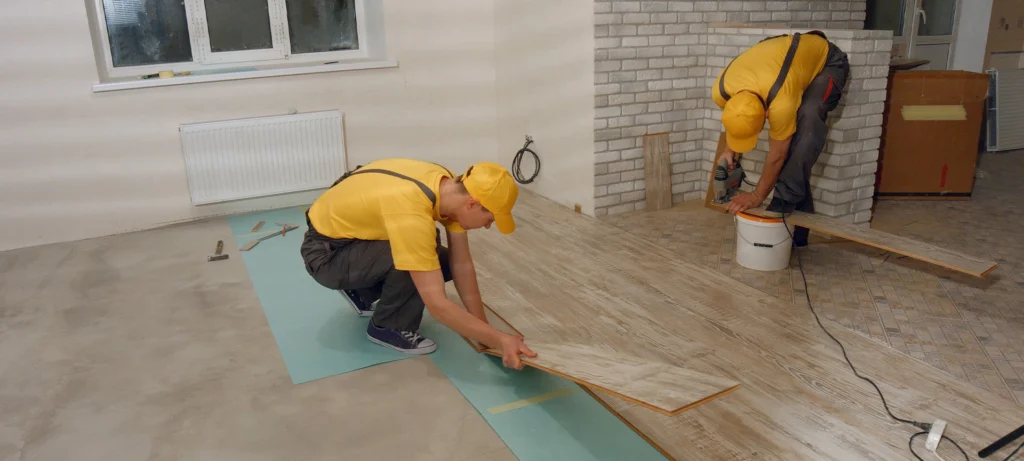
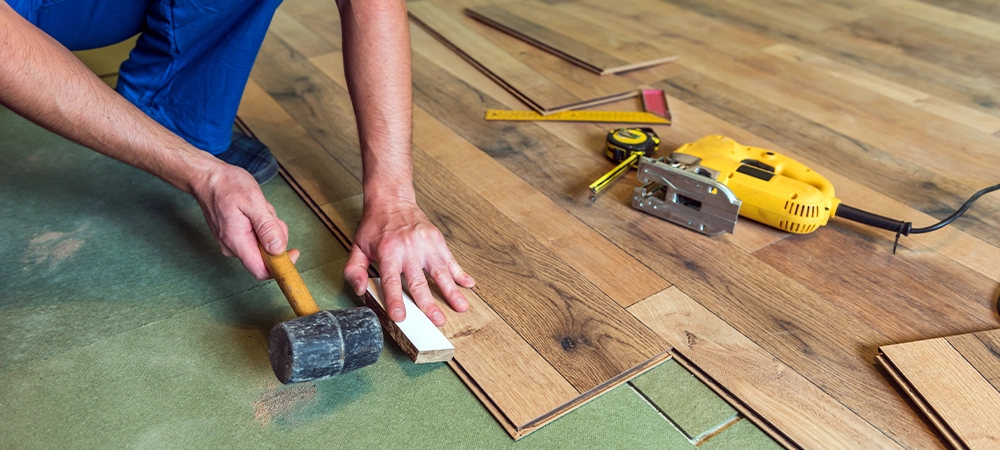
Floating installation is a method where the planks are not permanently fixed to the subfloor. Instead, they are connected through a click-lock system or glued at the edges. The entire floor “floats” above the subfloor with an underlayment layer in between.
This technique is widely used with engineered hardwood, laminate, and vinyl flooring. It is especially popular among homeowners who want a faster, less invasive installation process without nails or heavy adhesives.
Related Article: How to Install Engineered Hardwood Flooring
Advantages of Floating Installation
Floating installation is a popular choice for homeowners who want an easy and efficient upgrade. Because the planks lock together without nails or full adhesive, the process is straightforward and can often be completed in a short time.
Beyond speed, floating floors provide flexibility in placement and allow for future repairs without major disruption.
- Quick installation: No nails or adhesives mean projects can often be completed in a single day.
- Cost savings: Less labour and fewer materials make floating floors budget-friendly.
- Easier repairs: Damaged planks can be removed and replaced without disturbing the entire floor.
- Subfloor versatility: Works over concrete, plywood, tile, and even some existing floors.
- Comfort underfoot: The underlayment can add cushioning and sound reduction.
Disadvantages of Floating Installation
While floating installation offers convenience, it comes with some trade-offs. Because the planks are not firmly attached to the subfloor, the surface may not feel as solid underfoot. Moisture and heavy use can also reveal weaknesses, making this method less suitable for certain environments.
- Less stability: Floating floors can shift slightly and may feel less solid.
- Hollow sound: Without strong adhesion, they can create echoes or hollow footsteps.
- Moisture risk: Poor underlayment or humidity changes can lead to swelling or buckling.
- Shorter lifespan: They generally do not last as long as glue-down floors in busy environments.
Related Article: Why Humidity Matters When Installing Luxury Vinyl Flooring
Best Spaces for Floating Floors
Floating installation works especially well in spaces where flexibility and speed are priorities. Because the process requires minimal disruption, it is ideal for homes where residents want to avoid lengthy construction. This method is also a smart choice for multi-level dwellings or temporary setups where long-term flooring may not be necessary.
- Condos and apartments: Ideal when installation speed and noise reduction matter.
- Above-grade rooms: Best suited for spaces where moisture is controlled.
- Temporary flooring needs: Practical when future renovations or replacements are expected.
- DIY projects: A great option for homeowners confident in self-installation.
What Is Glue-Down Installation?
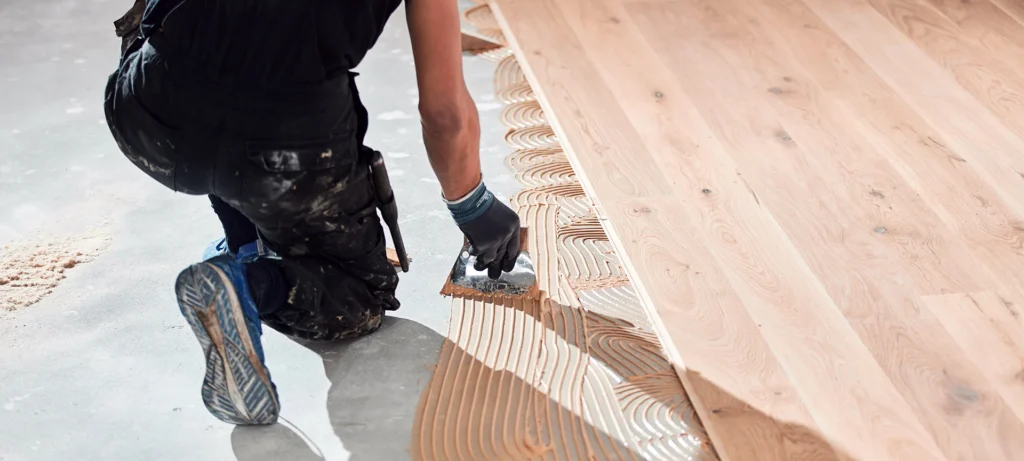
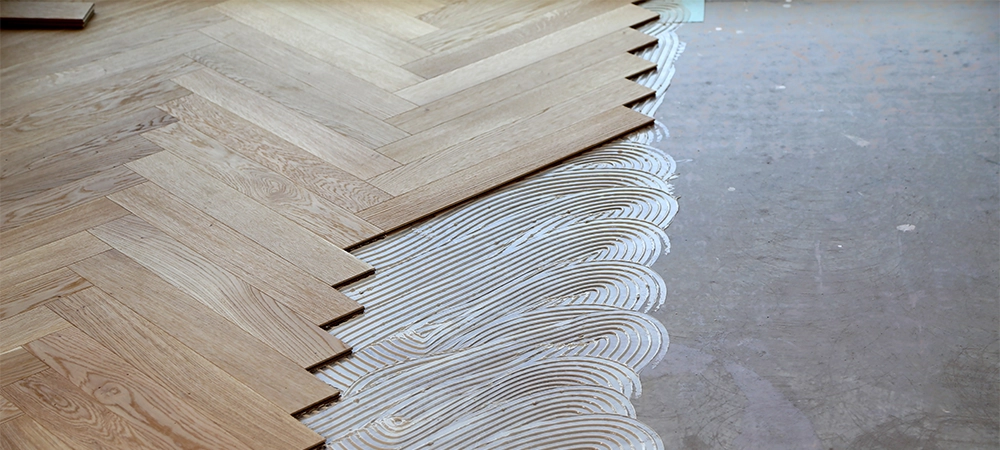
Glue-down installation involves applying adhesive to secure each plank directly to the subfloor. Once bonded, the flooring becomes part of the structure, creating a stable, long-lasting surface.
This technique is common for engineered hardwood and luxury vinyl planks in both residential and commercial spaces. It requires professional skills to ensure proper adhesion and long-term performance.
Advantages of Glue-Down Installation
Glue-down flooring is known for its durability and solid feel.
- Superior stability: Planks do not shift, creating a firm walking surface.
- Noise reduction: Offers quieter acoustics compared to floating floors.
- Moisture resistance: When installed correctly, it withstands humidity better than floating floors.
- Long lifespan: With proper care, glue-down floors can last decades.
- Professional finish: Creates a seamless look, even in large spaces.
Disadvantages of Glue-Down Installation
Glue-down comes with more effort and cost.
- Labour-intensive: Requires precise application and curing time.
- Higher expense: Adhesives and professional installation increase costs.
- Difficult repairs: Removing or replacing planks is challenging and may damage the subfloor.
- Time commitment: Installation is slower compared to floating methods.
Best Spaces for Glue-Down Floors
Glue-down excels where long-term performance matters.
- Basements and ground floors: Strong resistance to shifting in humid conditions.
- High-traffic commercial spaces: Ideal for restaurants, offices, or retail.
- Luxury homes: Provide the most stable and high-end finish.
- Permanent renovations: Best choice when homeowners plan to keep floors for decades.
Related Article: Planning A Renovation? Here’s the Ideal Time to Install New Floors
Cost Comparison: Floating vs. Glue-Down
Cost is often the deciding factor for many homeowners, but it’s important to look beyond just the upfront price. The total value includes materials, installation, maintenance, and long-term performance.
- Floating floors: Generally cost less for both materials and labour. DIY is possible, reducing expenses further.
- Glue-down floors: More expensive upfront due to adhesive and professional installation, but long-term durability often offsets the cost.
Maintenance and Longevity
Before choosing between floating and glue-down, it helps to know how much care each type will need over time and how long you can expect them to last. Maintenance requirements and lifespan differ depending on the installation method, usage, and environment.
- Floating floors: Easier to repair but may require replacement sooner in high-use areas. Lifespan averages 10–20 years, depending on quality.
- Glue-down floors: Harder to repair but last much longer. A well-installed glue-down floor can last 20–30 years or more.
Related Article: The Importance of Hiring a Professional Floor Installer for Your Hardwood Flooring
LV Flooring’s Expert Recommendation
At LV Flooring, we guide Toronto homeowners through the decision-making process. Floating floors are excellent for quick, affordable upgrades, especially in condos or multi-level homes. Glue-down is the superior option for long-term investments, basements, or high-traffic areas where stability matters most.
Our showroom in North York offers a wide selection of hardwood, engineered, vinyl, and laminate flooring, along with expert advice on installation methods. Professional installation ensures your investment performs at its best for years to come.
Moving Forward with Confidence
Choosing between floating and glue-down installation comes down to lifestyle, budget, and future plans. Floating provides flexibility and speed, while glue-down guarantees stability and endurance. By assessing your space and goals, you can make the choice that delivers both beauty and long-lasting value.
For expert guidance, visit LV Flooring or schedule a consultation today. Our team is here to ensure your new floors exceed expectations.
Frequently Asked Questions
- Can floating floors be installed in kitchens?
Yes, but they need proper underlayment and moisture protection. For heavy-use kitchens, glue-down may be a better choice.
- How long does glue-down installation take?
Depending on room size, it may take 2–3 days, including adhesive curing. Floating floors can often be done in a single day.
- Can I install floating floors over radiant heating?
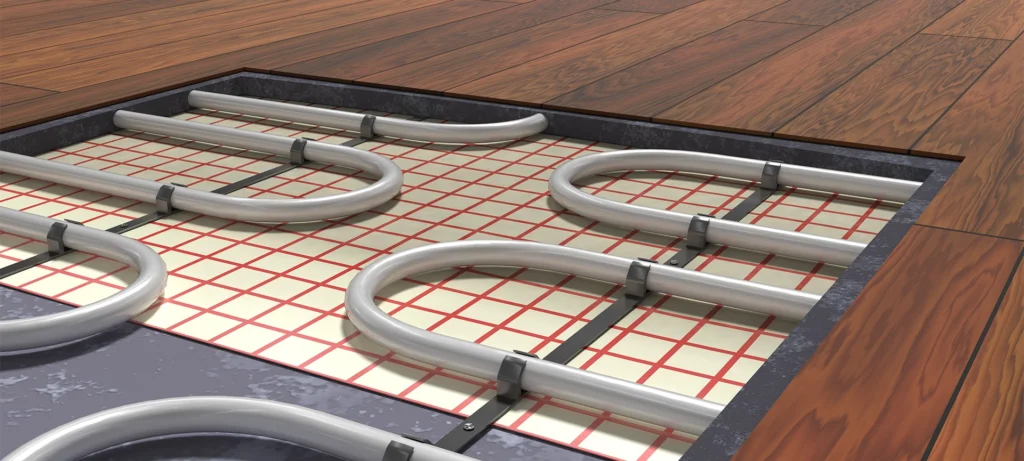
Yes, many engineered hardwood products allow floating installation over radiant heating, but always check manufacturer guidelines.
- Which method is quieter?
Glue-down floors are quieter underfoot. Floating floors may produce slight hollow sounds unless paired with quality underlayment.
- Do floating floors add resale value?
They improve appearance and value, but glue-down hardwood typically adds more long-term property value due to its durability.
- Can glue-down floors be refinished?
Yes, if the surface is hardwood. Vinyl glue-down floors cannot be refinished, only replaced.
- Is a floating installation less durable in humid climates?
Yes, floating floors are more sensitive to humidity. Glue-down performs better in areas with high moisture fluctuations.
- What’s the average cost difference between floating and glue-down?
Floating can be 20–30% cheaper upfront. Glue-down costs more but provides better longevity, reducing long-term replacement costs.
- Can floating floors be installed in basements?
Not recommended unless the basement is fully dry and humidity-controlled. Glue-down is usually better for below-grade areas.
- Do I need professionals for floating floors?
While DIY is possible, professional installation ensures correct preparation, especially for larger spaces or uneven subfloors.