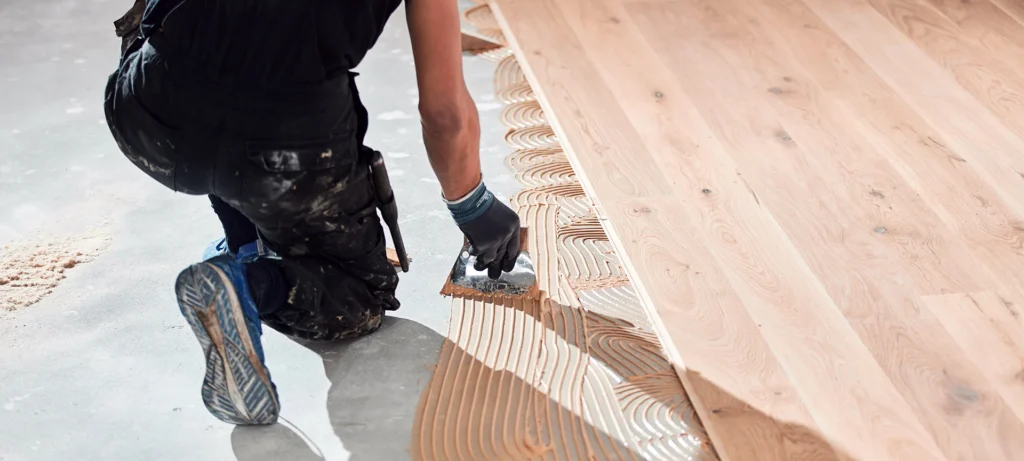
Planning a Renovation? Here’s the Ideal Time to Install New Floors
When planning a renovation, flooring often ends up near the bottom of the checklist. But installing floors at the wrong stage can lead to damage, delays, or unnecessary costs. Whether you’re updating a single room or revamping your entire home, knowing the ideal time to lay new floors ensures the investment lasts.
Flooring is more than just a design choice; it’s the foundation for the look, feel, and comfort of your home. With professional installation and proper scheduling, you can avoid scratching fresh planks, trapping dust under finishes, or dealing with moisture problems later.
Related Article: Is It Better to Install Hardwood Floors in the Winter or Summer?
Why Flooring Installation Timing Matters
The sequence of renovation tasks affects how well your new floors will look and perform. Floors installed too early risk being damaged by construction traffic, paint drips, or tool drops. Installed too late, they may require trimming doors or altering baseboards to fit.
The goal is to place flooring when heavy construction is complete, but before finishing touches such as baseboards and trim. This balance ensures your flooring is protected while also achieving a clean, seamless fit.
The General Rule: Flooring Goes Last But Not Too Last
In most renovations, flooring should be one of the final steps, right after messy work like drywall, painting, and major carpentry is complete. This prevents your brand-new hardwood, laminate, or vinyl from being exposed to dust, paint, or water from wet trades like plastering.
However, you shouldn’t wait until after the trim and cabinetry are installed. Installing floors beforehand allows these features to sit neatly on top, creating a polished finish without awkward gaps or filler strips.
Related Article: How to Prepare Your Home for Hardwood Floor Installation
Step-by-Step Renovation Sequence for Flooring Success
Getting the order right can make installation smoother and extend the life of your floors. Here’s the typical sequence for a home renovation:
- Demolition & Removal – Old flooring, walls, or fixtures come out.
- Structural Work – Any framing, plumbing, or electrical rewiring is completed.
- Drywall & Plastering – Walls are built or repaired, then primed.
- Painting (First Coat) – Walls receive their initial paint layer to prevent drips on floors.
- Flooring Installation – Hardwood, laminate, vinyl, or engineered hardwood planks are installed.
- Cabinetry & Built-Ins – Kitchens, vanities, and storage units are placed on top of floors.
- Baseboards, Trim, and Final Paint Touch-Ups – Edges are finished for a clean, cohesive look.
Related Article: How to Install Engineered Hardwood Flooring
Special Considerations for Hardwood Floors
Hardwood is one of the most sensitive flooring types when it comes to timing. Toronto’s seasonal humidity changes can cause boards to expand or contract. For best results:
- Acclimatization – Store hardwood planks in your home for at least 3–7 days before installation to adjust to indoor humidity.
- Post-Painting Installation – Avoid paint splatter on hardwood surfaces by scheduling it after the first wall coats are dry.
- Final Sanding After Construction – If you’re installing unfinished hardwood, schedule sanding and finishing as the very last step to prevent construction debris from scratching the surface.
LV Flooring’s expert team ensures hardwood is installed under the right environmental conditions, preventing warping and gaps later.
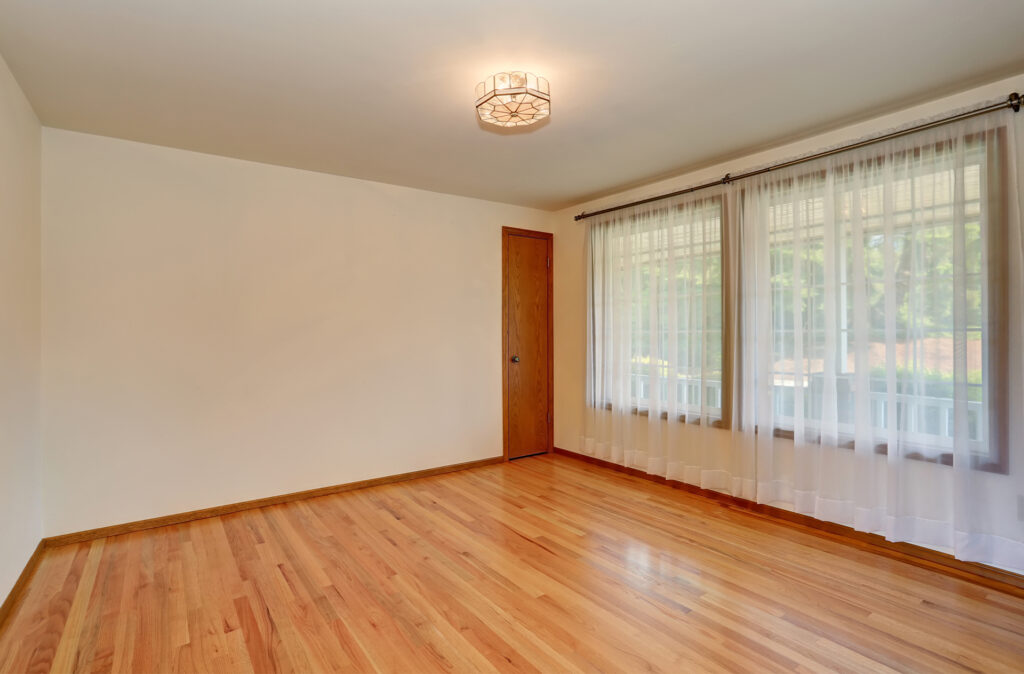
Renovating a Kitchen?
Kitchen renovations can be tricky because they combine flooring, cabinetry, plumbing, and heavy appliances. Ideally, flooring should be installed before cabinets so it runs continuously under them. This creates a cleaner look and allows for easier future remodels without patching missing sections.
If budget or flooring type limits under-cabinet installation (common with floating floors like laminate), install flooring up to the cabinet base and use trim to hide expansion gaps.
What About Bathrooms?
Bathrooms require careful planning due to moisture exposure. For vinyl or tile, installation can be one of the last steps before fixtures go in. For engineered hardwood, make sure the subfloor is perfectly dry and any plumbing work is complete before installation to avoid water damage.
Flooring During Partial Renovations
If you’re renovating only one room, the same rules apply; finish messy work first. Protect flooring in neighbouring areas by sealing off doorways and using drop cloths. When replacing floors in a high-traffic space, schedule installation during a quieter week to limit foot traffic until it’s fully cured or set.
Protecting Floors Installed Early
Sometimes, scheduling constraints mean flooring must be installed sooner than ideal. In these cases:
- Cover floors with heavy-duty protective sheets or boards.
- Avoid dragging tools or furniture across the surface.
- Keep protective coverings clean to prevent grit from scratching underneath.
LV Flooring’s installers use industry-grade protective materials when early installation is unavoidable, reducing the risk of damage.
Flooring Type and Installation Timing
Different materials have unique timing needs:
- Solid Hardwood – Install after messy work but before trim; requires acclimatization.
- Engineered Hardwood – More moisture-resistant, but still benefits from acclimatization.
- Laminate – Install before trim; easier to click into place once walls are finished.
- Vinyl – Flexible timing; highly durable against paint or dust, but best installed after heavy work.
- Maple Hardwood – Similar to other solid hardwood, but with extra care to avoid dents during ongoing construction.
LV Flooring offers all these options, advising on the ideal timing for each based on your renovation schedule.
Seasonal Timing for Toronto Renovations
Toronto’s climate can influence flooring installation.
- Spring and Fall – Ideal for hardwood due to moderate humidity levels.
- Summer – Use air conditioning to manage humidity and prevent expansion.
- Winter – Keep indoor humidity around 35–55% to avoid shrinking boards.
The LV Flooring team helps homeowners plan installation dates that align with seasonal conditions, ensuring stable, long-lasting floors.
Working With Professional Installers
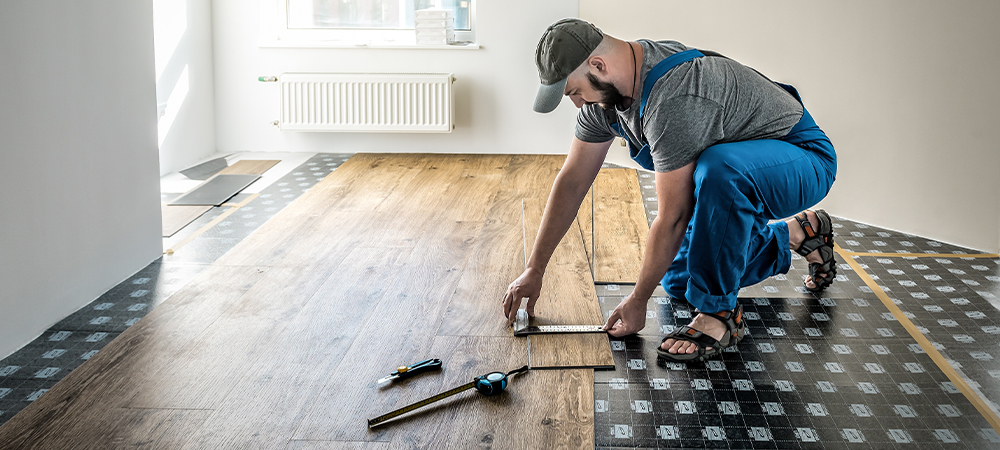
Hiring experienced installers ensures that timing, preparation, and techniques are spot-on. LV Flooring’s staff follows a process that includes:
- Detailed measurement and subfloor assessment.
- Moisture testing to prevent future warping.
- Seamless coordination with other trades to avoid schedule clashes.
- Post-installation care instructions for long-term maintenance.
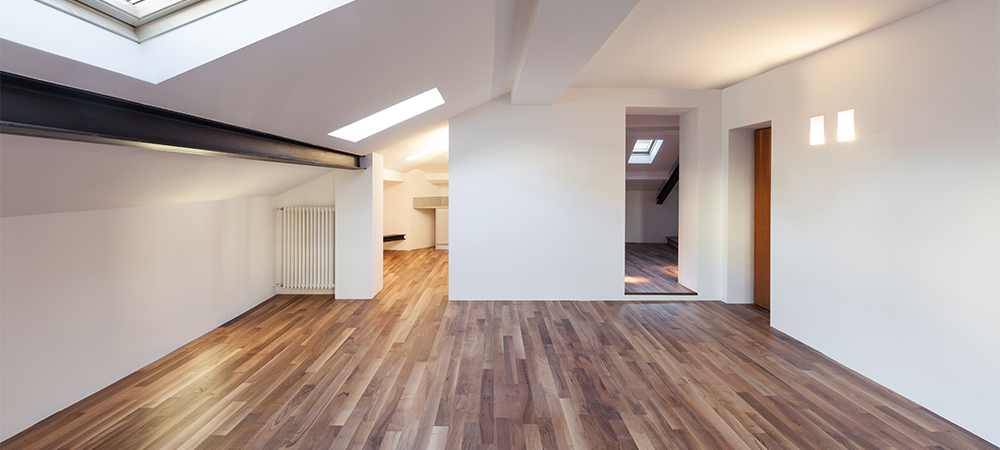
Mistakes to Avoid When Scheduling Flooring Installation
Avoiding these pitfalls will save you time, money, and stress:
- Installing too early – Leads to damage from construction debris.
- Skipping acclimatization – Causes gapping or cupping in hardwood.
- Poor protection – Increases risk of scratches and stains if work continues after the flooring.
- Ignoring seasonal humidity – Results in dimensional changes in wood.
Related Article: The Importance of Hiring a Professional Floor Installer for Your Hardwood Flooring
Key Takeaways for Your Renovation Plan
When you’re investing in quality flooring, timing matters as much as the material. By installing floors after messy work but before final trim, you get a flawless finish without risking damage. Choose the right season, acclimate materials properly, and work with experienced installers who coordinate seamlessly with other trades.
LV Flooring can guide you through every step, from selecting the right hardwood, laminate, or vinyl to scheduling installation at the ideal stage of your renovation. Visit us at our North York showroom or get a free quote for your flooring project with confidence.