Why Humidity Matters When Installing Luxury Vinyl Flooring
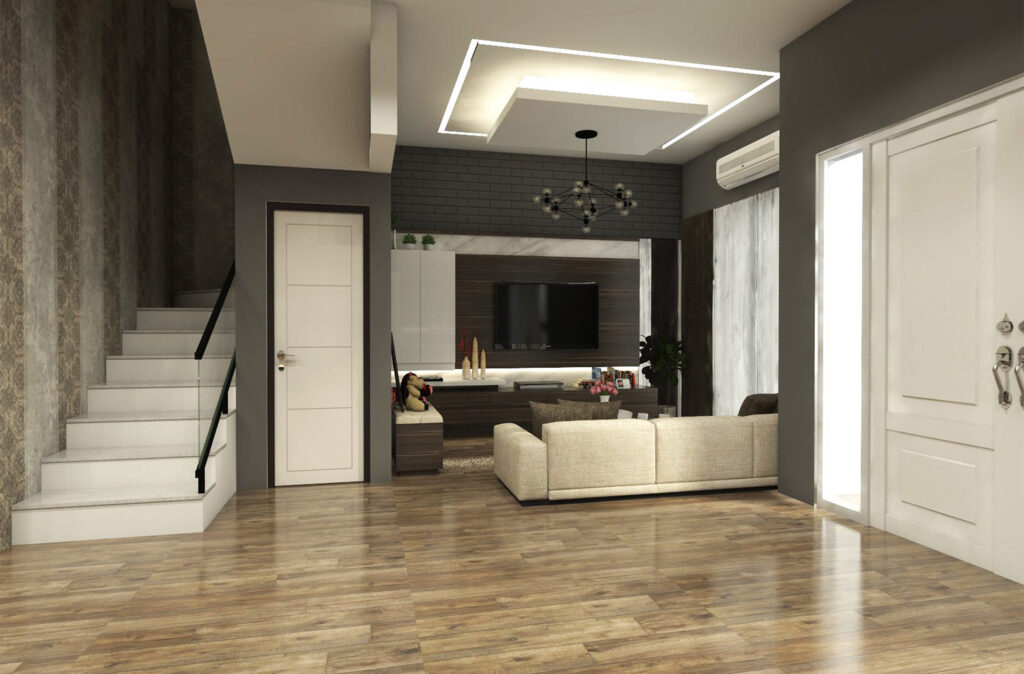
Luxury vinyl flooring (LVF) is one of the most popular flooring options for homeowners in Toronto and across Canada. It combines the look of hardwood with durability and easy maintenance. However, while LVF is known for being more resistant to moisture than wood, humidity during installation and in day-to-day living still plays a critical role in its performance.
This blog explains how humidity levels affect luxury vinyl flooring, what to do before installation, and the steps professionals use to ensure a lasting result.
Related Article: Best Water-Resistant Wooden Flooring in Toronto
Why Humidity Matters in Flooring Installation
Humidity is the amount of water vapour present in the air. Flooring materials, even engineered ones like LVF, can expand and contract depending on the surrounding moisture. If not addressed properly, this natural reaction can lead to visible damage.
For example, excess humidity may cause the planks to warp or lift at the edges. On the other hand, extremely dry conditions can cause gaps between planks. Both outcomes compromise the look and function of the floor.
The Ideal Humidity Range for LVF
Luxury vinyl flooring performs best when indoor humidity stays between 35% and 65% relative humidity (RH). Within this range, the planks remain dimensionally stable, ensuring a smooth surface.
Professional installers, like the team at LV Flooring, always assess indoor climate conditions before starting an installation. Using a hygrometer, they measure the RH and adjust the environment if needed.
Related Article: Is Vinyl Flooring Waterproof?
Subfloor Moisture: The Hidden Factor
While most homeowners think about air humidity, subfloor moisture is equally important. Even when the room feels dry, concrete and plywood subfloors can hold hidden moisture. If the subfloor isn’t tested and prepared, that moisture may transfer to the LVF over time.
To prevent this, installers use moisture meters to check subfloor levels. If the readings are high, they may recommend a vapour barrier or additional underlayment to protect the floor.
Seasonal Changes in Canadian Homes
Toronto and surrounding regions experience significant seasonal swings in humidity. In winter, heating systems often dry out indoor air, while summer brings high humidity levels. These changes can stress your flooring if not considered during installation.
For LVF, acclimating the planks before installation helps. This means leaving the boxes in the room for at least 48 hours, allowing the material to adjust to the room’s temperature and humidity.
Common Problems from Ignoring Humidity
Skipping humidity control during LVF installation can result in several long-term issues:
- Cupping and Curling: Plank edges rise due to excess moisture.
- Peaking at Seams: Pressure builds at plank joints when the floor expands too much.
- Gapping: Low humidity causes planks to shrink, leaving visible spaces.
- Mould and Mildew: Moisture trapped beneath the floor creates unhealthy growth.
- Warranty Voids: Many manufacturers require documented humidity control for coverage.
Related Article: Common Mistakes When Installing Vinyl Plank Flooring
How Professionals Manage Humidity During Installation
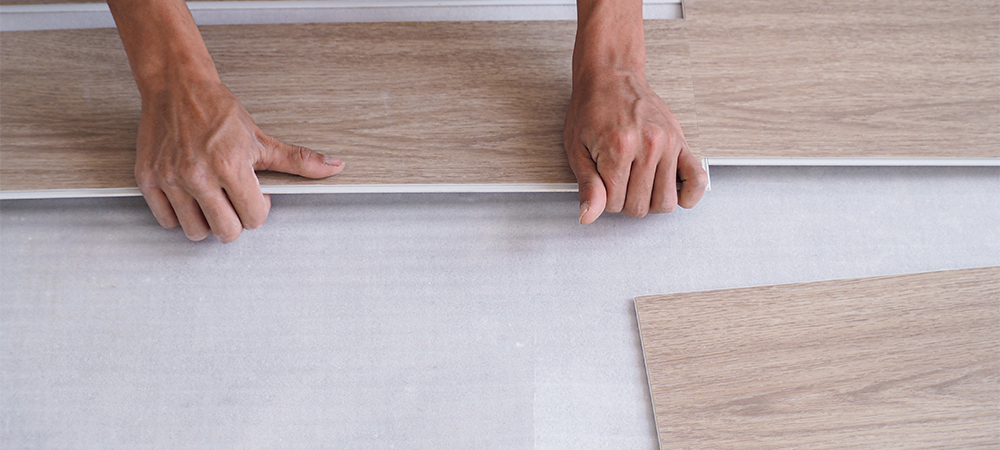
Expert installers follow a proven process to keep humidity under control:
- Pre-Installation Checks: Measure the room’s RH and subfloor moisture.
- Acclimation: Leave LVF boxes in the room for 48 hours.
- Moisture Barriers: Apply underlayment or vapour barriers if needed.
- Expansion Gaps: Leave small spaces at the room’s perimeter to allow natural movement.
- Climate Control: Recommend dehumidifiers or humidifiers to maintain balance after installation.
LV Flooring’s installers always follow these steps, ensuring your investment is protected.
Tips for Homeowners to Maintain Ideal Humidity
Even after installation, maintaining stable humidity is important for long-term performance. Here are simple ways to control moisture in your home:
- Use a hygrometer: Track indoor humidity year-round.
- Run a dehumidifier in summer: Keep RH from rising too high.
- Add a humidifier in winter: Prevent air from drying out too much.
- Maintain HVAC systems: Regular service keeps indoor air balanced.
- Seal windows and doors: Reduce outside humidity fluctuations indoors.
Comparing LVF with Other Flooring Options
Humidity affects all flooring types, but to different degrees. Here’s how LVF compares:
- Solid Hardwood: Extremely sensitive to humidity, expands and contracts noticeably.
- Engineered Hardwood: More stable but still reacts to seasonal changes.
- Laminate Flooring: Prone to swelling when exposed to moisture.
- Luxury Vinyl Flooring: More resistant but still requires controlled conditions for installation and performance.
This makes LVF an excellent choice for kitchens, basements, and living rooms, provided humidity is managed correctly.
Related Article: How to Install Engineered Hardwood Flooring
Why Professional Installation Matters
While LVF can be installed as a DIY project, humidity management is one of the key reasons to trust professionals. LV Flooring’s team installs floors and prepares the space to handle seasonal humidity shifts. This preparation ensures your floor remains beautiful and functional for years.
DIY installations often miss steps like subfloor testing, vapour barriers, or acclimation. These oversights may not cause immediate issues but often show up months later in the form of gaps, buckling, or warranty disputes.
Key Takeaways for Homeowners
Humidity is an invisible but powerful factor when it comes to flooring installation. For LVF, maintaining the right conditions before and after installation is essential to avoid damage and preserve warranty coverage.
When you work with LV Flooring, you benefit from expert assessment, professional installation, and long-term guidance on maintaining your floors.
Moving Forward with Confidence
Installing luxury vinyl flooring is an investment in both comfort and style. By addressing humidity from the start, you secure the longevity of your floors and avoid costly repairs.
If you’re planning a flooring project in Toronto, visit LV Flooring’s showroom in North York to see their wide range of LVF styles and speak with their experts. Call today to schedule your free consultation and installation assessment.