How Much Do Wooden Stair Treads Cost?
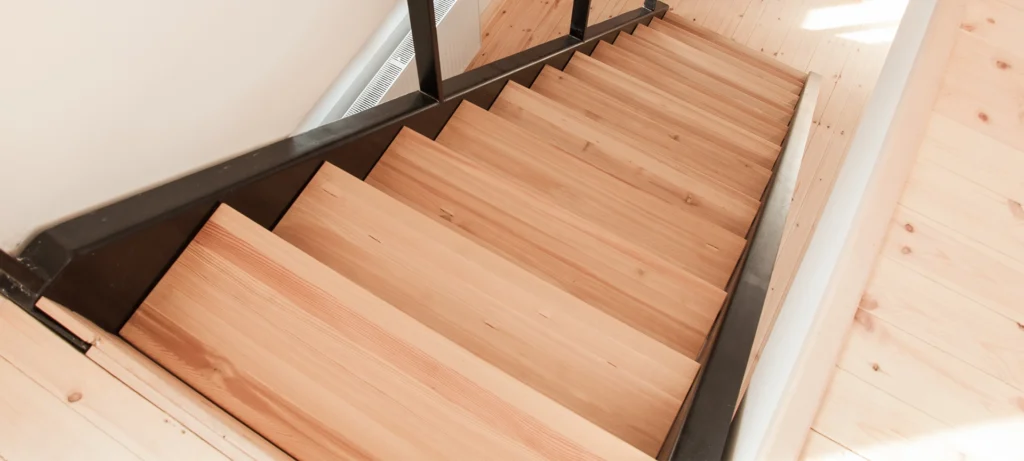
Replacing worn carpeted steps with solid wood changes a home’s mood the moment you walk in. Rich grain, crisp edges, and the warm sound underfoot create a finished look that engineered options struggle to mimic. Still, “How much will it cost?” hangs over many homeowners.
This guide breaks down current Canadian price ranges, shows, where dollars go during a stair, remodel, and shares smart tactics to keep spending predictable. Whether you install stair treads yourself or hire a carpenter, you will finish with numbers that make sense.
Key Factors That Impact Price
No two flights of stairs cost the same. Keep these variables in mind when you compare quotes:
- Species and grade
- Dimensions
- Edge profile and returns
- Finish choice
- Order size
- Labour
Knowing which levers you can pull, such as grade selection or on-site finishing, empowers you to dial in the right mix of looks and budget.
Related Article: How Much Does It Cost to Install Tile Floor
2025 Price Ranges by Species
Hardwood pricing fluctuates with lumber markets, yet recent supplier catalogues across Ontario paint a clear pattern:
- Budget tier (CA $33–60 per tread)
Knotty pine and hemlock sit here. The wood is soft, scratches easier, and shows knots. Many DIYers use these species in basements or cottages where cost matters more than perfect grain. - Mid-range tier (CA $46–110 per tread)
Red oak and hard maple dominate this bracket. Red oak is the most common match for existing strip flooring in Toronto homes, keeping project color consistent. Hard maple offers a smoother texture and brighter tone. - Premium tier (CA $120–180 per tread, with rare exotics topping CA $250)
White oak, American walnut, and selectively logged exotics such as Santos mahogany live here. Buyers pay for distinctive colour and grain along with higher hardness in many cases. - Custom or floating stair stock (CA $200–400+ per tread)
Open-rise designs need thicker lumber (often two to three inches) to span without visible support. Each piece is milled toa precise thickness and may hide steel or aluminum channels underneath, adding to the cost.
The numbers above cover standard 36- to 48-inch lengths and 10-½-inch depths. Longer or deeper pieces increase the price at roughly the same dollars per board-foot rate.
Related Article: How Much Does It Cost to Refinish Hardwood Stairs?
Finishes and Edge Details
A finish shields wood from scuffs and spilled coffee. Edgework hides the end grain where steps are open to view. Their combined extras often surprise homeowners, so let’s spell them out.
- Factory UV finish – Add roughly CA $8–12 per tread. The coating cures under ultraviolet lamps, producing a hard surface ready for use on the day of delivery.
- Single returned end – Plan on CA $10–15 extra for a tread with one finished short edge. Homes with a wall on one side and an open railing on the other typically need this setup.
- Double returned end – If both sides float, costs rise to CA $18–25 per tread because the mill must craft and sand two show edges.
- Retro-fit caps – Some homeowners slide hollow tread caps over existing plywood steps to avoid demolition. Expect about CA $10–20 beyond the base cost for the additional milling and material.
Choosing unfinished square-edge treads and applying a water-based polyurethane yourself is the lowest-cost route. That said, factory finishing guarantees an even sheen, controlled curing, and cleaner indoor air because the bulk of sanding happens at the mill and not in your hallway.
Related Article: How to Refinish Stairs

Installation Costs: DIY vs. Hiring a Pro
Material cost covers only half the bill. Labour can match or exceed lumber outlay depending on staircase shape and condition.
Straight flight, do-it-yourself: Skilled DIYers with a mitre saw, construction adhesive, brad nailer, and a full weekend pay zero in cash but invest time. Savings reach four figures on larger projects, though mistakes carry a price if cuts are off.
Straight flight, professional carpenter: Labour often falls between CA$40 and CA$60 per step for tear-out, minor stringer levelling, tread fitting, and trim. Some contractors quote a lump sum that converts to about CA$800–1,000 for a typical thirteen-step staircase.
Turned or curved flight: Pie-shaped winders, landings, or curved stringers slow the crew. Rates climb to CA $60–90 per step because each piece requires custom angles and dry-fitted templates.
Full staircase sanding and refinish: If your treads are already wood but look tired, pros charge CA $100–200 per step to sand, stain, and seal. It saves the cost of new lumber but still commands serious labour because dust control and fine work on vertical risers takes time.
Across Canada, homeowners report installed totals ranging from CA $120 to CA $300 per step, with most landing near the middle of that span for a straight flight in good shape.
Special Cases That Cost More
Not every staircase fits a textbook mould. Three scenarios push budgets higher:
- Open-rise or floating designs – These modern showpieces lack risers and often appear to hover. Because the tread carries a structural load without visible support, mills use thicker stock and sometimes hidden steel brackets. Both raise material and engineering fees.
- Winders and pie shapes – Stairs that change direction with wedge-shaped steps require custom templates. Each tread is unique, which kills the quick rhythm installers enjoy on straight runs. Expect 20–30 percent more in both lumber and labour.
- Prefabricated stair kits – Big-box stores sell complete stair flights. While convenient, the bundled price often exceeds site-built options of equal wood quality once shipping and local building-code tweaks are included.
Understanding these factors early lets you decide whether the aesthetic reward justifies the financial stretch.
Smart Ways to Save Without Cutting Corners
A budget-friendly staircase can still look high-end if you apply strategic thinking:
- Match existing flooring – Using the same species you already have allows bulk buying on a single purchase order.
- Select natural grade – Clear grade carries a surcharge because mills cull boards with knots or mineral streaks. Natural grade hides minor character marks beautifully and can shave CA $5 or more from each tread.
- Finish on-site – Two coats of water-based polyurethane cost under CA $40 for an average flight. The process takes a weekend but avoids factory finish fees.
- Bundle accessories – Nosing, risers, and landing planks ordered together often qualify for free shipping or a combined rate lower than separate orders.
- Plan ahead – Lumber lead times spike each spring. Placing a deposit early locks pricing even if you schedule installation later.
- Tackle demo yourself – Carefully pulling carpet and staples before the crew arrives reduces labour hours. Just be sure stringers and framing stay intact.
Each small move trims a bit off the total; combined, they can slide your project from the top of the range to the middle without sacrificing appearance or lifespan.
How LV Flooring Supports Your Project
Budget calculators help, yet nothing beats seeing wood in person. LV Flooring’s Toronto showroom stocks dozens of tread samples — red oak, white oak, walnut, maple, and select exotics — so you can compare grain and colour under actual lighting.
Need an installer? They keep a vetted list of carpenters who carry liability insurance and know Ontario’s stair requirements.
The company’s goal is simple: supply the right lumber the first time and make sure you enjoy every step for decades.
Final Cost Check
Wooden stair treads are more than a line item—they are part of daily life. Armed with current material prices, clear labour averages, and proven saving strategies, you can set a realistic budget and move ahead with confidence.
Ready to turn numbers into action? Visit LV Flooring’s showroom or request a fast online quote and realize how easy stepping up style can be.

Price Disclaimer
The cost ranges in this guide are market averages drawn from supplier catalogues and contractor quotes collected in Ontario between February and June 2025. They are provided for general information only and can change without notice.