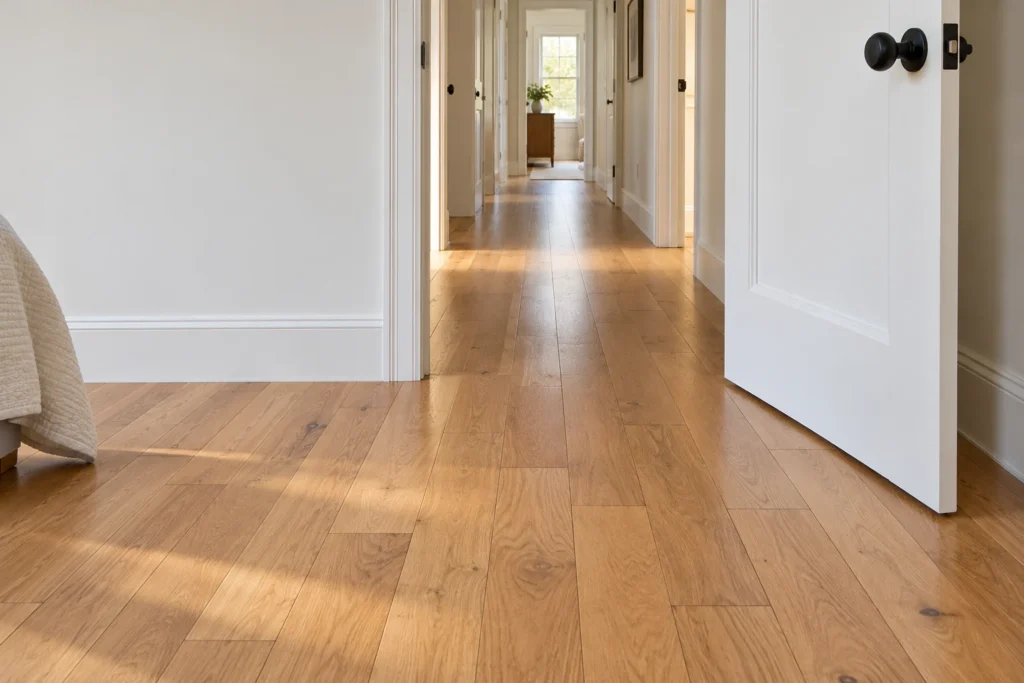
Flooring Removal and Replacement Cost in Toronto (2026)
Last updated: September 24, 2026
Replacing an existing floor involves more than the price of the new material. Removal, disposal, subfloor preparation, installation labour, underlayment, trims and access conditions can all change the total.
For straightforward work, the cost to remove hardwood floors starts with the published 2026 planning range of CAD $1–$2 per sq. ft. for standard removal. Glued boards, multiple layers, disposal and subfloor repairs can change the scope. Replacement flooring and installation are separate costs; ask for each part of the estimate to be identified.
The Quick Answer: What Belongs in a Flooring Replacement Budget?
A complete removal-and-replacement estimate may include:
- removal of the existing carpet, floating floor, hardwood or tile;
- sorting, carrying and disposal of removed material;
- adhesive, fastener or underlayment removal;
- subfloor inspection, cleaning, repair or levelling;
- new flooring material and a suitable waste allowance;
- underlayment, adhesive or installation accessories;
- installation labour;
- transitions, reducers, vents, baseboards or quarter-round;
- stairs, tight access, furniture handling or condo requirements.
Pricing note: The figures below are general 2026 planning ranges in Canadian dollars, not a quote. Final pricing depends on the existing floor, installation method, subfloor condition, product selection, layout and site access.
2026 Flooring Removal Cost in Toronto
The installation method usually matters as much as the flooring material. A floating floor can often be lifted in sections, while glued hardwood or tile may require substantially more demolition and surface preparation.
| Existing flooring | Typical removal work | 2026 planning range |
|---|---|---|
| Carpet and pad | Cutting, rolling, tack-strip removal and carrying | $1–$2 per sq. ft. for standard removal |
| Floating laminate or vinyl | Disassembly, underlayment removal and carrying | $1–$2 per sq. ft. for standard removal |
| Nailed or stapled hardwood | Board removal, fastener removal and cleanup | $1–$2 per sq. ft. for straightforward removal |
| Glued hardwood | Board removal plus adhesive removal or substrate preparation | Site-specific; adhesive work can exceed the standard removal range |
| Tile | Demolition, mortar or membrane removal and cleanup | Site-specific; mortar, membrane and weight affect the scope |
| Disposal | Loading, hauling and applicable disposal charges | Confirmed in the project estimate; may be itemized separately |
The table should be used for early planning only. Multiple flooring layers, heavy adhesive, difficult access and unexpected substrate damage can change the scope after the old floor is exposed.
Hardwood Floor Removal Costs
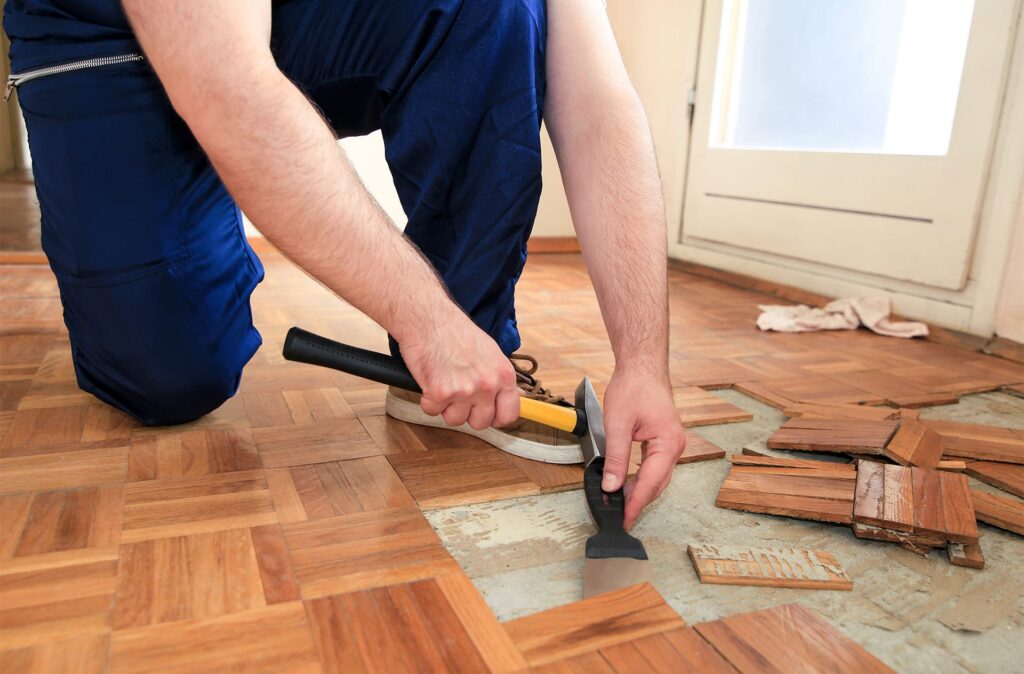
Hardwood floor removal costs depend heavily on whether the boards are nailed, stapled or glued. Nailed and stapled flooring requires the boards and fasteners to be removed without leaving the subfloor unsafe for the next stage. Glued hardwood can require more labour because adhesive residue may need to be scraped, ground or otherwise prepared before a new floor can be installed.
Other cost factors include multiple layers, plywood or underlayment that must also be removed, damaged sections of subfloor and the distance from the work area to the disposal point. Confirm whether the removal line includes pulling fasteners, dealing with adhesive residue and leaving the surface ready for the agreed next stage.
Cost to Remove and Replace Hardwood Flooring
The cost to remove and replace hardwood flooring should be divided into separate categories. This makes quotes easier to compare and prevents the material price from being confused with demolition or installation labour.
| Budget category | What it can include | 2026 planning range or basis |
|---|---|---|
| Removal | Taking up the existing floor and removing fasteners or adhesive | $1–$2 per sq. ft. for standard removal; difficult glue or tile work is site-specific |
| Disposal | Bagging or stacking, carrying, hauling and disposal charges | Confirmed in the project estimate based on material, weight, volume and access |
| Subfloor preparation | Cleaning, moisture assessment, repairs, levelling or new plywood where required | Levelling, when needed: $1–$3 per sq. ft.; other repairs are site-specific |
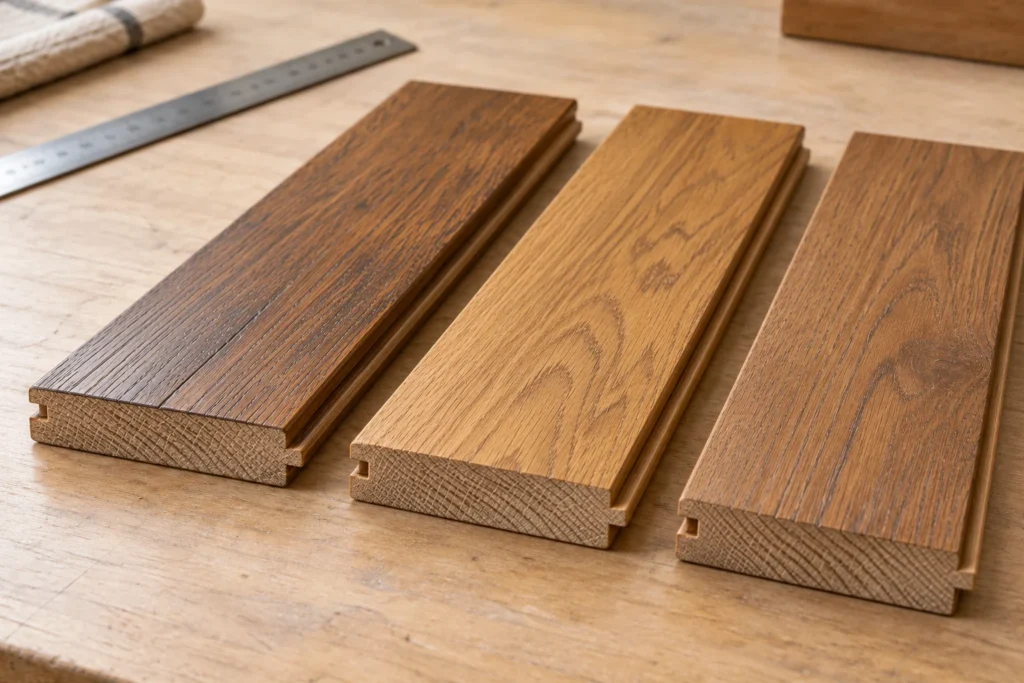
| Flooring material | Selected product plus an appropriate waste allowance | Solid or engineered hardwood: $4–$8 per sq. ft. |
| Underlayment | A compatible standard or acoustic product where the installation system requires it | Standard foam: $0.30–$0.50 per sq. ft.; condo acoustic products: $1.50–$3 per sq. ft. |
| Installation labour | Layout, cutting, fitting and the selected installation method | Click/floating: $2–$3 per sq. ft.; glue-down or nail-down: $3–$4 per sq. ft. |
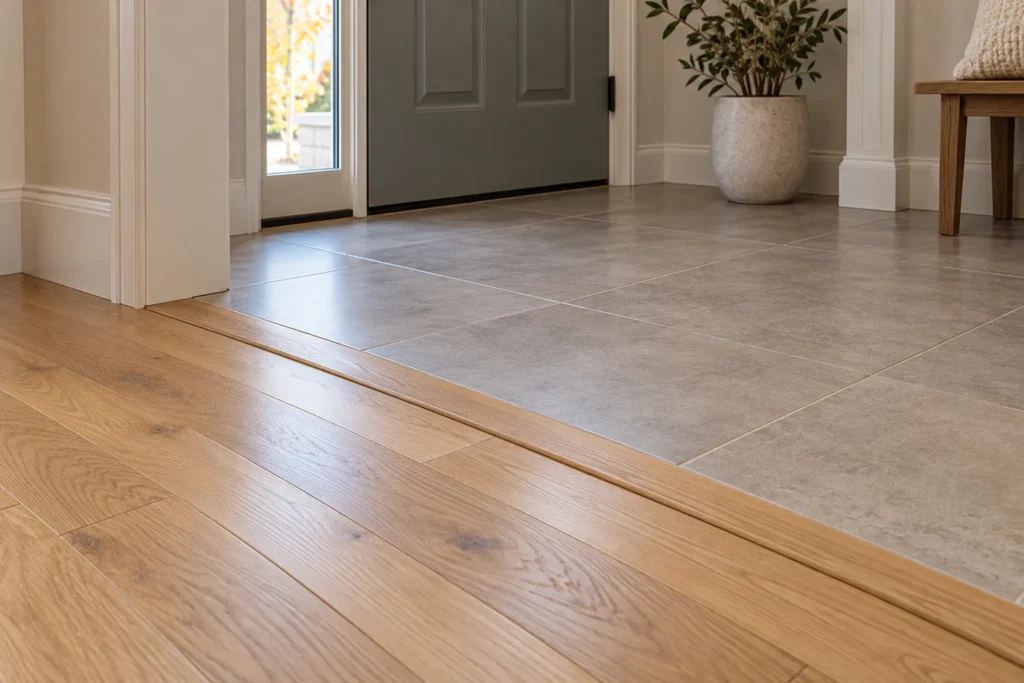
| Finishing details | Transitions, reducers, vents, quarter-round or baseboard work | Transitions, trims and baseboard reinstall: $300–$800 as a published condo planning range |
For product and installation considerations, see our engineered hardwood flooring options and hardwood floor installation service. The existing guide to installing engineered hardwood flooring also explains the main stages of the work.

What Changes the Final Price?
Subfloor condition
A clean, dry and suitably flat subfloor gives the installation team a predictable starting point. Dips, damaged plywood, cracked areas, moisture concerns or adhesive residue can add preparation work. Some conditions cannot be priced accurately until the existing floor is removed.
Installation method and room layout
Straightforward rectangular rooms generally require fewer cuts than rooms with several doorways, angles, built-ins or transitions. Patterns such as herringbone and chevron require more layout work and a product- and layout-specific material allowance. If you are changing to a patterned floor, compare the separate herringbone installation cost breakdown when planning the replacement stage.
Material handling and disposal access
The work changes when material must be carried a long distance, moved through shared hallways or taken out in small loads. Heavy tile and mortar create a different disposal requirement than carpet or floating laminate.
Toronto condo requirements
Condo projects may involve elevator reservations, approved work hours, loading access and building-specific acoustic requirements. These details should be checked before the installation date because they can affect scheduling, material selection and labour.
Furniture and occupied rooms
A cleared work area is easier to plan than an occupied room that must be completed in stages. Confirm in writing who will move furniture and appliances, and whether the quoted scope includes that work.
Stairs, trims and transitions
Stairs are not normally priced as ordinary floor area. Transitions between rooms, floor vents, reducers, baseboards and door clearances should also appear as separate line items when they are part of the project.
The guide Hardwood Flooring in a Humid Climate provides additional context about moisture and wood flooring performance.
Planning Examples for 200, 500 and 1,000 Sq. Ft.
The examples below use standard existing-floor removal, engineered hardwood material and click/floating installation. For this base comparison, material quantity equals the measured floor area; additional material for cuts and whole-carton rounding is not included. They also exclude tax, disposal, underlayment, subfloor repair or levelling, trims, stairs, furniture handling and site-specific access costs. Use the product- and layout-specific purchase quantity for your actual material quote. These are planning examples, not quotes.
| Project size | Removal $1–$2 |
Material $4–$8 |
Floating labour $2–$3 |
Base planning total |
|---|---|---|---|---|
| 200 sq. ft. | $200–$400 | $800–$1,600 | $400–$600 | $1,400–$2,600 |
| 500 sq. ft. | $500–$1,000 | $2,000–$4,000 | $1,000–$1,500 | $3,500–$6,500 |
| 1,000 sq. ft. | $1,000–$2,000 | $4,000–$8,000 | $2,000–$3,000 | $7,000–$13,000 |
Should You Remove, Refinish or Cover the Existing Floor?
| Option | When it may make sense | What must be checked |
|---|---|---|
| Remove and replace | The existing floor is unsuitable, badly damaged or incompatible with the planned product | Subfloor condition, finished height, disposal and the new installation method |
| Refinish | The existing hardwood has enough usable wood and the main issue is surface wear or colour | Board thickness, structural condition, previous sanding and repair needs |
| Cover the existing floor | The product and manufacturer permit it and the existing surface is stable, dry, flat and suitable | Finished height, doors, transitions, moisture, acoustic requirements and warranty conditions |
If the existing hardwood may be salvageable, compare hardwood floor refinishing with replacement before approving demolition. Our refinish-or-replace guide explains the decision in more detail.
How to Compare Flooring Quotes Properly
A low per-square-foot number is not useful unless you know what it covers. Ask each contractor to identify:
- the measured floor area for removal and installation, plus separate material order, stair and trim quantities;
- the removal method and whether disposal is included;
- what subfloor preparation is included before additional approval is required;
- whether material, waste allowance, underlayment and accessories are included;
- the installation method and pattern;
- who handles furniture, appliances and building access;
- which taxes and optional items are excluded.
For additional contractor-selection questions, read The Importance of Hiring a Professional Floor Installer.

Frequently Asked Questions
How much does flooring removal cost per square foot in Toronto?
Recent LV Flooring guides use $1–$2 per sq. ft. as a general 2026 planning range for standard existing-floor removal. Glued hardwood, tile, multiple layers, difficult access, disposal and subfloor work can change the scope, so a site-specific estimate is still required.
Is disposal included in flooring removal?
Not automatically. A quote should say whether carrying, hauling and disposal charges are included or listed separately.
Does glued hardwood cost more to remove?
It can require more labour than a floating floor or some nailed installations because adhesive residue may also need to be removed or prepared before the next floor is installed. The actual difference depends on the adhesive, substrate and site conditions.
Can hardwood found under carpet be refinished?
Sometimes. The boards must be inspected for thickness, damage, stains, movement, missing sections and previous sanding before refinishing is recommended.
How much does it cost to remove and replace hardwood?
The total combines removal, disposal, subfloor preparation, new flooring material, installation labour and finishing details. Keeping those categories separate makes the budget easier to understand and compare.
Does subfloor repair cost extra?
It may. Some cleaning and routine preparation may be included, while levelling, plywood replacement, moisture-related work or structural repairs may require a separate scope. The quote should define what is included.
Request a Flooring Removal and Installation Estimate
For a useful estimate, provide the approximate floor area, the existing flooring type, the replacement material you are considering and any relevant access details. LV Flooring can then assess the scope and identify which parts of the budget apply to your project.
View our service information for Toronto or North York, or request a flooring removal and installation estimate.