Flooring for Older Toronto Homes : What Actually Works When the Subfloor Isn’t Perfect
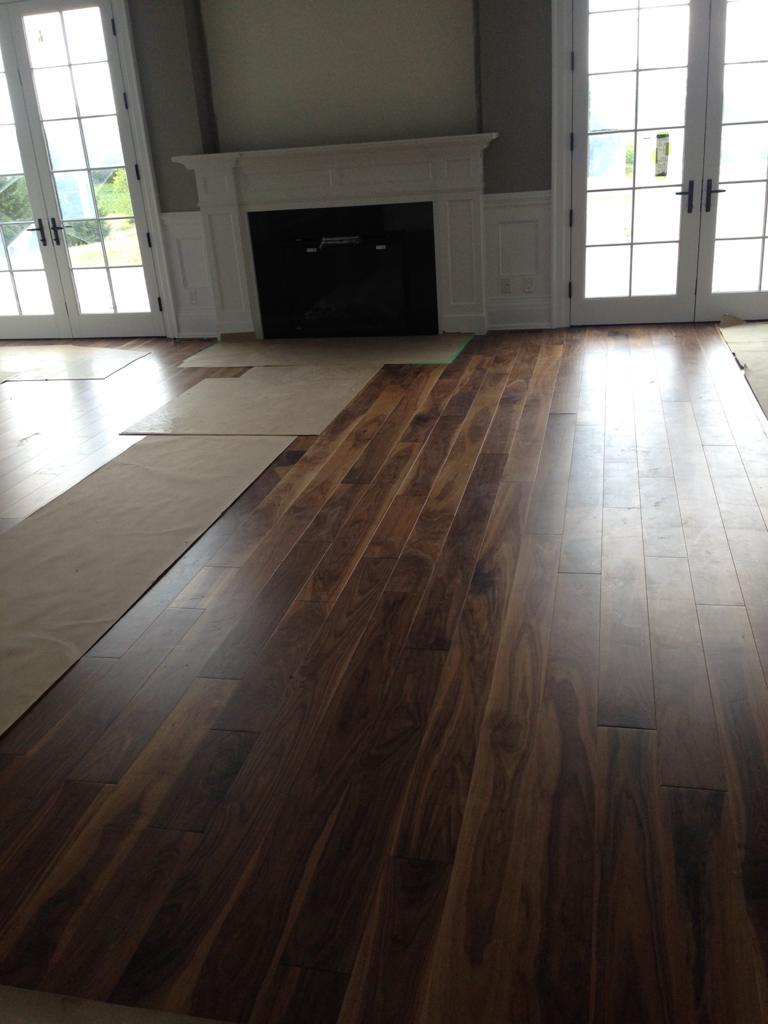
Toronto has some of the most beautiful older housing stock in Canada. The detached Edwardians in The Annex, the semi-detached Victorian workers’ cottages in Leslieville, the wide brick houses in Rosedale, and the century bungalows scattered across East York, Swansea, and Bloor West Village — these homes have character that no new build can replicate. They also have subfloors that have been settling, shifting, squeaking, and accumulating layers of renovation history for 80 to 120 years.
Hardwood floor installation in an older Toronto home is a different job from installing it in a 2019 build in Vaughan. The subfloor assessment, the material selection, and the installation method all need to account for what’s actually underneath — and in older homes, what’s underneath is often a surprise.
At LV Hardwood Flooring, we install floors in older Toronto homes regularly. Here’s what we’ve learned.
Why Older Toronto Homes Are Different
Most Toronto homes built before the 1950s were constructed with wood-frame floors — joists running across the basement ceiling, topped with a subfloor of diagonal tongue-and-groove pine boards, then the finished hardwood on top. This system was built to last, and in many cases it has. But a century of seasonal humidity swings, minor foundation movement, and multiple renovation cycles creates conditions that require careful assessment before any new flooring goes in.
The subfloor is rarely flat. In most century homes in Toronto, the difference between the high and low points of a floor can be anywhere from a quarter inch to over an inch across a single room. This isn’t a structural crisis — it’s normal settlement. But it does mean that materials requiring a flat surface (hardwood, tile, engineered hardwood) need subfloor prep before installation.
The joists may be bouncy. Original Douglas fir or spruce joists are often still structurally sound, but they flex more than modern engineered lumber. This “bounce” affects how flooring performs over time — rigid materials like tile can crack, and glue-down installations may delaminate if the subfloor moves too much underfoot.
There may be multiple layers of flooring. It’s common to find three or four layers of flooring in an older Toronto home — original hardwood, then 1970s vinyl tiles, then 1990s laminate, then carpet. Each layer adds height, changes the subfloor condition, and affects what you can install on top.
Moisture history is unknown. Older homes have had decades of plumbing leaks, basement flooding, and seasonal moisture cycling. Even if the current subfloor looks fine, moisture damage from past events can compromise adhesive bonds and cause wood flooring to move after installation.
Subfloor Assessment — Do This Before Choosing Your Material
Before selecting any flooring product for an older Toronto home, a proper subfloor assessment is essential. This means:
Checking for flatness. The industry standard is no more than 3/16 of an inch variation over 10 feet for hardwood and engineered hardwood, and 3/16 over 6 feet for tile. Use a long straightedge or laser level to map high and low spots across the room.
Testing for moisture. A pin-type moisture metre checks wood subfloors — readings should be between 6 and 9 percent for hardwood installation. Higher readings indicate moisture issues that need to be resolved before any wood product goes down.
Checking for bounce. Walk the subfloor and feel for flex. A slight give is normal in older homes; significant bounce or soft spots indicate joist issues that should be addressed before flooring installation.
Identifying existing layers. If there are existing floor coverings, decide whether to remove them or install over them. Removing old flooring reveals the true condition of the subfloor but adds cost and time. Installing over existing flooring raises the floor height and can affect door clearances and transitions.
Which Flooring Works Best in Older Toronto Homes
Engineered hardwood — the most versatile option
Engineered hardwood is the top recommendation for older Toronto homes because it handles the conditions that challenge other materials. Its cross-ply construction tolerates the seasonal humidity swings that Ontario’s climate delivers, and its floating installation method means it doesn’t rely on a perfectly flat subfloor the way glue-down or nail-down methods do.
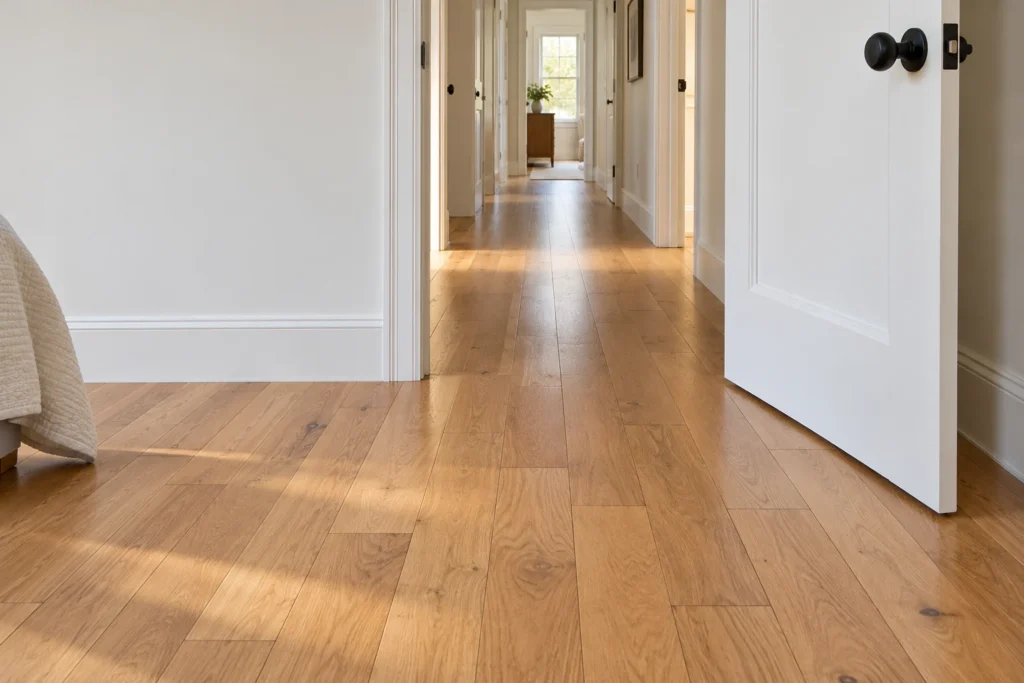
For homes in The Annex, Roncesvalles, Riverdale, or Bloor West Village — where the original hardwood character matters — engineered hardwood in the same species (red oak, maple, or white oak) lets you maintain visual continuity between original and new sections without the installation risks of solid wood on an aged subfloor.
Material cost: $4–$8 per sq. ft. Installed with subfloor prep: $12–$22 per sq. ft. depending on condition.
Solid hardwood — only with proper subfloor preparation
Solid hardwood can absolutely be installed in an older Toronto home — but only after the subfloor has been properly levelled, secured, and moisture-tested. Nail-down installation into diagonal pine subfloor boards works well when the subfloor is sound. The risk is installing solid hardwood over a subfloor with bounce, moisture issues, or significant unevenness — the floor will move, gap, and squeak within a season.
If you’re adding to existing original hardwood, solid wood in the matching species and width is the right choice for a seamless match. If you’re replacing entirely, engineered hardwood is more forgiving.
Luxury vinyl plank (LVP) — best for problem subfloors
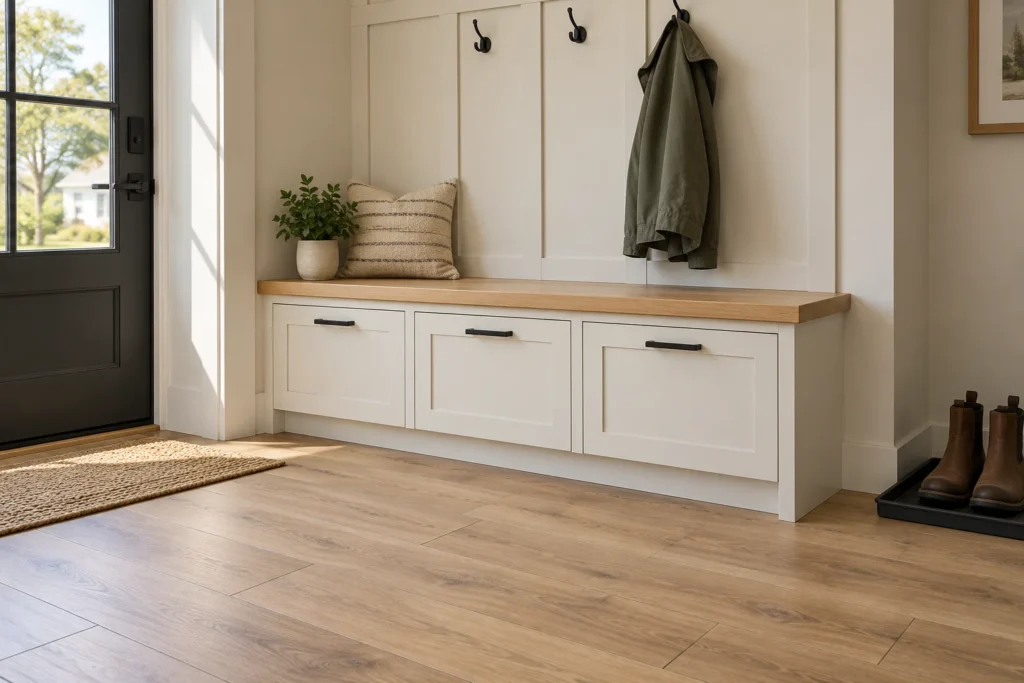
For basements, kitchens, mudrooms, and any area where the subfloor condition is uncertain or moisture is a concern, LVP is the practical choice. It tolerates minor subfloor irregularities better than hardwood, installs as a floating floor, and is 100% waterproof. In an older Toronto home where the basement has a history of dampness or the kitchen subfloor has seen plumbing leaks, LVP eliminates the risk of moisture damage to the flooring itself.
Material cost: $2–$4 per sq. ft. Installed: $5–$9 per sq. ft.
Laminate — a budget-friendly option for above-grade rooms
Modern laminate handles older subfloors reasonably well as a floating installation and is significantly more affordable than engineered hardwood. It’s not waterproof, so it’s best kept to living areas, bedrooms, and hallways where moisture isn’t a factor. In an older home with limited renovation budget, laminate in above-grade living spaces paired with LVP in the basement and kitchen is a practical combination.
Material cost: $2–$4 per sq. ft. Installed: $5–$9 per sq. ft.
What not to install
Ceramic or porcelain tile over a bouncy subfloor — tile has no flexibility. On a subfloor that moves, grout cracks within a year and tile loosens from the substrate. If you want tile in an older home, the subfloor must be rigid and fully supported. This often means adding a layer of cement board or addressing joist bounce before installation.
Solid hardwood in the basement — older Toronto homes often have below-grade moisture issues even when they appear dry. Solid hardwood in a basement is almost always a mistake regardless of subfloor condition.
The Subfloor Prep Work — What It Involves and What It Costs
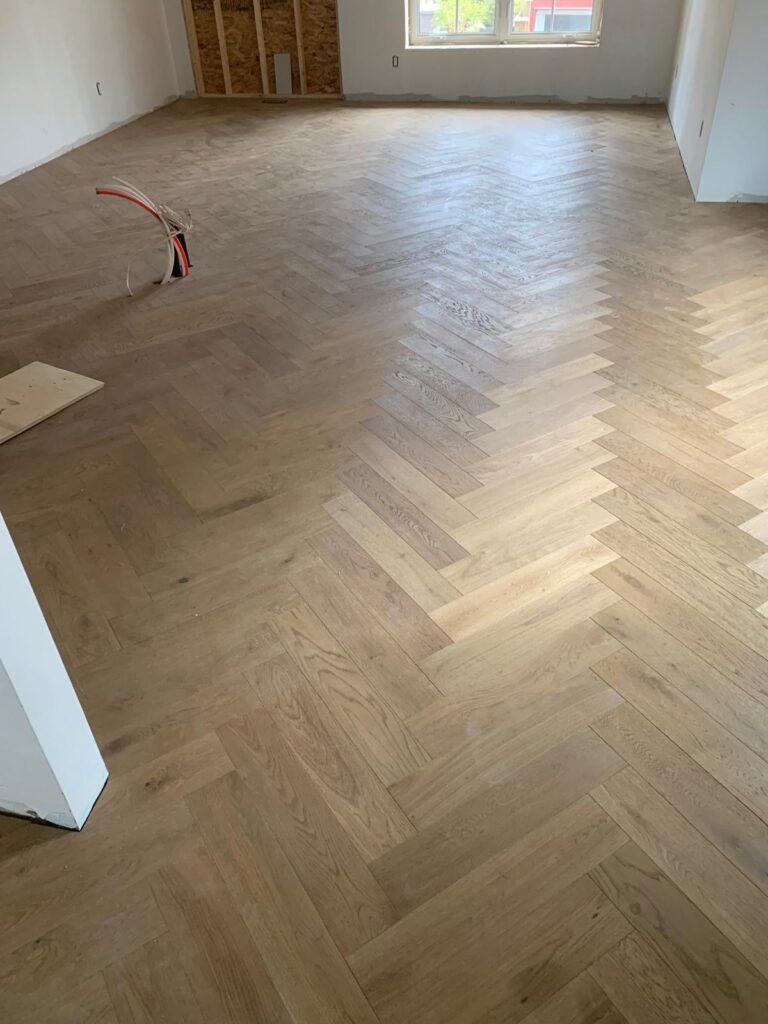
Most older Toronto homes need at least some subfloor preparation before new flooring goes in. Common tasks include:
Securing loose subfloor boards. Old tongue-and-groove pine subfloor boards often become loose over time as nails back out. Screwing them back down to the joists eliminates bounce and squeak at the source. Cost: $0.50–$1.00 per sq. ft.
Levelling with self-levelling compound. For floors with significant high and low spots, a self-levelling compound fills low areas and creates a flat surface for installation. Cost: $1–$3 per sq. ft. depending on the volume of compound needed.
Grinding down high spots. Raised areas — often where joists cross or where previous flooring layers created a ridge — need to be ground or planed flat. This is labour-intensive work that adds to the overall project cost.
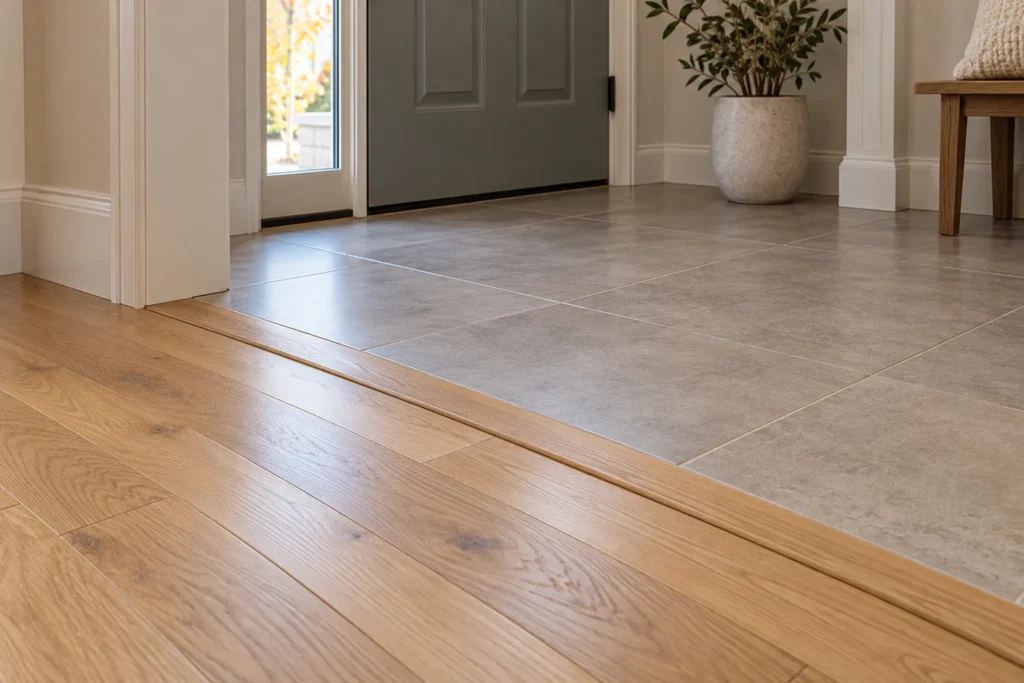
Adding a plywood layer. In some older homes, the existing subfloor is too thin or too uneven to work with directly. Adding a layer of 3/8 or 1/2 inch plywood over the existing subfloor creates a fresh, flat surface. This raises the floor height by the thickness of the plywood, which affects transitions at doorways.
⚠️ Professional Notice: Every flooring project in an older home is unique. The figures above reflect general market ranges only — final costs depend on the specific condition of your subfloor, the extent of levelling required, and material selection. Prices are subject to change without notice. For an accurate estimate tailored to your home, visit our showroom at 5050 Dufferin St #102, North York, or call our team for a free consultation.
Preserving the Character of Older Toronto Homes
One of the most common questions we get from owners of older homes is how to add new flooring without losing the character that made them buy the house in the first place.
A few approaches that work well:
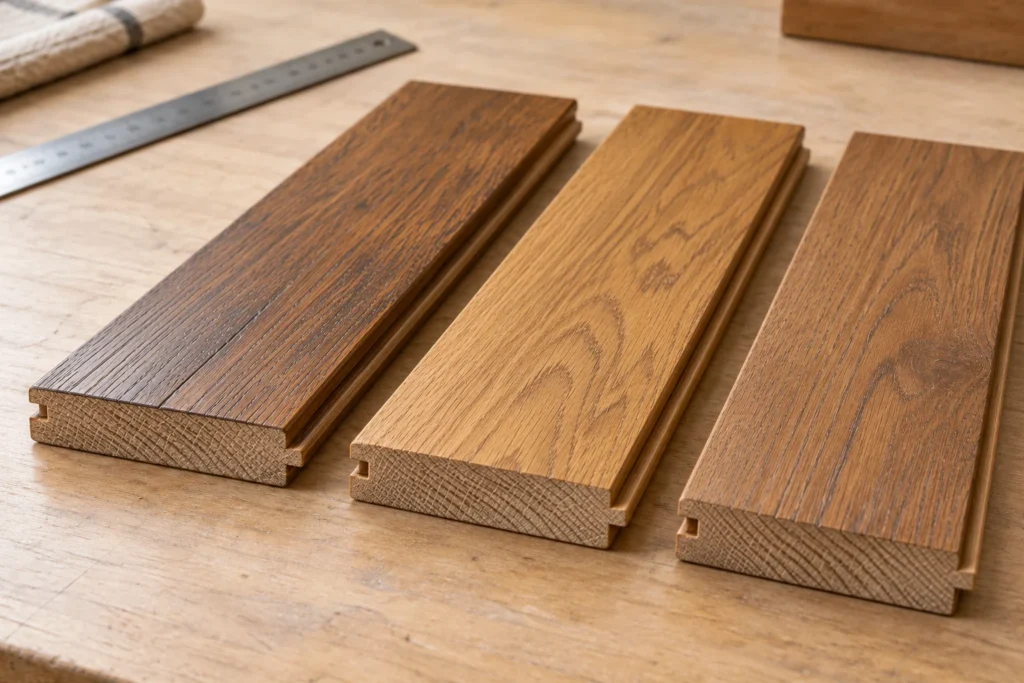
Match the species and width of original flooring. If the existing hardwood is 2.25-inch red oak strip, installing the same width and species in adjacent areas or rooms keeps the home visually coherent. We carry red oak and maple in widths that match original Toronto-era hardwood.
Use wire-brushed finishes to complement aged surroundings. A wire-brushed or hand-scraped finish on new hardwood blends better with the slightly imperfect character of an older home than a perfectly smooth, high-gloss finish does. The texture reads as intentional rather than mismatched.
Keep original floors where they’re sound. If original hardwood is structurally sound and can be refinished, hardwood floor refinishing is almost always better than replacing. Sanding and refinishing original floors restores them to like-new condition at a fraction of the cost of new flooring, and preserves material that can’t be replicated.
Frequently Asked Questions
Can I install new hardwood over existing hardwood in an older home? In some cases, yes — but only if the existing floor is structurally sound, flat, and firmly secured. Installing over a loose or uneven existing floor transfers those problems to the new surface. A professional assessment is essential before making this decision.
My floors squeak badly. Do I need to fix that before installing new flooring? Yes. Squeaks are caused by subfloor boards moving against nails or joists. Installing new flooring over a squeaky subfloor doesn’t fix the squeak — it often makes it worse by adding weight. Securing loose subfloor boards with screws before installation is standard practice in older homes.
How much should I budget for subfloor prep in an older Toronto home? It varies significantly by condition. A home in reasonable shape might need $500–$1,500 of subfloor prep. A home with significant unevenness, moisture history, or multiple old flooring layers to remove could require $3,000–$6,000 of prep work before flooring installation begins. We always assess the subfloor before quoting to give you an accurate picture.
Can I keep my original hardwood and just refinish it? If the original hardwood is at least 3/4 inch thick and hasn’t been sanded too many times already, refinishing is an excellent option. We offer professional hardwood floor refinishing across Toronto and the GTA.
Visit Our Showroom or Get a Free Quote
Our showroom is at 5050 Dufferin St #102, North York. If you’re renovating an older Toronto home and want an honest assessment of your subfloor and flooring options, bring your floor plan and any photos of existing conditions. We’ll help you figure out what prep work is needed and what materials make sense for your specific situation.
Call: (416) 665-5645 or (647) 728-1111 Email: [email protected] Hours: Monday–Friday 9:00–18:00, Saturday 9:30–15:00
Related: Hardwood Floor Refinishing · Engineered Hardwood Flooring · Hardwood Floor Installation · Hidden Costs of Flooring Renovations in Toronto